
Shannon Gutwein
LCSWWyoming · 14 yrs exp
Compassionate therapist guiding steady personal change
Addictions · Relationship · Depression · Coping with life changes · +11 more
Read profileTherapist listings are provided by BetterHelp. We will earn a commission at no additional cost to you if you use our links to purchase.
Welcome to our directory for Wyoming online therapists. All therapists listed here are licensed and list their credentials and approaches so you can make an informed choice. Explore profiles to learn about focus areas, therapy styles, and contact details for therapists who may fit your needs.
Wyoming · 14 yrs exp
Compassionate therapist guiding steady personal change
Addictions · Relationship · Depression · Coping with life changes · +11 more
Read profile
Wyoming · 5 yrs exp
Compassionate counselor focused on practical change
Stress, Anxiety · Addictions · Relationship · Depression · +1 more
Read profile
Wyoming · 12 yrs exp
Grounded counselor for life transitions
Trauma and abuse · Self esteem · Coping with life changes · Coaching · +9 more
Read profile
Wyoming · 21 yrs exp
Compassionate LCSW focusing on practical change
Stress, Anxiety · Trauma and abuse · Self esteem · Depression · +15 more
Read profile
Wyoming · 15 yrs exp
Balancing listening with practical skill building
Stress, Anxiety · Trauma and abuse · Depression · Coping with life changes · +10 more
Read profile
Wyoming · 9 yrs exp
Compassionate, practical therapy for life challenges
Stress, Anxiety · Family · Self esteem · Depression · +12 more
Read profile
Wyoming · 24 yrs exp
Skilled counselor for life transitions
Stress, Anxiety · Addictions · Relationship · Family · +16 more
Read profile
Wyoming · 8 yrs exp
Calm, collaborative counseling for life transitions
Grief · Self esteem · Depression · Coping with life changes · +12 more
Read profile
Wyoming · 28 yrs exp
Compassionate counselor for life transitions
Stress, Anxiety · Relationship · Family · Parenting · +6 more
Read profile
Wyoming · 35 yrs exp
Experienced counselor for life transitions
Stress, Anxiety · Relationship · Grief · Intimacy-related issues · +11 more
Read profile
Wyoming · 15 yrs exp
Compassionate counselor for life transitions
Stress, Anxiety · Relationship · Trauma and abuse · Self esteem · +9 more
Read profile
Wyoming · 20 yrs exp
Compassionate therapist who helps people find practical change
Stress, Anxiety · Trauma and abuse · Grief · Parenting · +12 more
Read profile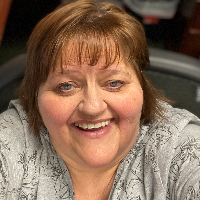
Wyoming · 30 yrs exp
Experienced LCSW focusing on family healing
Stress, Anxiety · Relationship · Family · Trauma and abuse · +6 more
Read profile
Wyoming · 5 yrs exp
Collaborative, practical counseling for real life
Stress, Anxiety · Family · Depression · Coping with life changes · +13 more
Read profile
Wyoming · 40 yrs exp
Experienced LCSW guiding adults through recovery and growth
Stress, Anxiety · Trauma and abuse · Grief · Self esteem · +1 more
Read profile
Wyoming · 10 yrs exp
Practical coping skills with a direct approach
Stress, Anxiety · Addictions · Anger · Self esteem · +12 more
Read profile
Wyoming · 15 yrs exp
Compassionate support for clearer relationships
Addictions · Relationship · Family · Trauma and abuse · +12 more
Read profile
Wyoming · 8 yrs exp
Practical, person-focused counseling for life challenges
Stress, Anxiety · Trauma and abuse · Parenting · Self esteem · +16 more
Read profile
Wyoming · 11 yrs exp
Compassionate LCSW focused on practical healing
Stress, Anxiety · Trauma and abuse · Intimacy-related issues · Self esteem · +15 more
Read profile
Wyoming · 9 yrs exp
Compassionate counselor focused on practical change
Relationship · Trauma and abuse · Self esteem · Depression · +8 more
Read profile
Wyoming · 6 yrs exp
Compassionate, practical care for emotional healing
Trauma and abuse · Anger · Depression · Stress, Anxiety · +3 more
Read profile
Wyoming · 21 yrs exp
Practical, compassionate therapy and coaching
Trauma and abuse · Grief · Anger · Depression · +15 more
Read profile
Wyoming · 20 yrs exp
Practical social work support for life stressors
Stress, Anxiety · Relationship · Grief · Parenting · +1 more
Read profile
Wyoming · 30 yrs exp
Experienced counselor focused on healing relationships
Relationship · Family · Trauma and abuse · Grief · +9 more
Read profileOnline therapy in Wyoming has expanded as more clinicians use telehealth tools to connect with residents across the state. Whether you live in a city, a small town, or a remote area, you will find professionals offering sessions by video, phone, or messaging. The landscape has changed since telehealth became more common; many therapists now include remote sessions as part of their practice models to reach people who prefer or require distance-based care. Because licensing and practice rules vary by state, you will typically see information in each profile about credentials, clinical focus, approaches, and the geographic areas a therapist lists as their practice region.
When you browse therapist profiles you will encounter a range of degrees and licensure types, including licensed professional counselors, clinical social workers, marriage and family therapists, and psychologists. Profiles often list languages spoken, populations served, and the kinds of issues each clinician focuses on. Some therapists list specific methods such as cognitive behavioral therapy, acceptance and commitment approaches, or trauma-informed techniques. To be clear, when a profile mentions an approach you should read that as a description of methods the clinician lists, not as verification of specific certifications or training beyond licensure information provided by the clinician.
You may find online therapy particularly convenient if you travel long distances to reach in-person offices or face seasonal travel barriers like heavy winter weather. Remote sessions can reduce commute time and help you fit counseling into a busy schedule. For people in smaller communities, online options broaden the pool of clinicians you can contact, which can make it easier to find a therapist whose background and communication style match your needs. Online formats also allow you to connect with clinicians who list experience with particular issues or populations that might be less available locally.
Online therapy can offer flexible ways to work on interpersonal difficulties and personal growth. Video sessions allow for face-to-face interaction that preserves much of the nonverbal communication common in office visits. Phone and messaging options can be useful when bandwidth is limited or when you prefer a different mode of contact. When using online therapy you should consider your comfort with technology, the quality of your internet connection, and whether you have a quiet place to talk. Preparing a comfortable environment for sessions helps you get the most from the work you do with a therapist.
Online therapists in Wyoming often address a wide range of concerns, including relationship and codependency challenges, anxiety, depression, grief and loss, life transitions, and parenting or family dynamics. You will also find clinicians who list experience supporting people through work-related stress, identity questions, or recovery-related issues. Because this directory focuses on codependency-related support as well as broader relationship patterns, many profiles highlight couples work, boundaries, and the relational factors that can underlie persistent emotional difficulties.
Therapists in the directory may describe their therapeutic approaches in different terms. For example, some clinicians list cognitive behavioral therapy among their approaches, while others list psychodynamic, narrative, humanistic, or emotion-focused styles. You may also see therapists who list EMDR among their approaches or who list mindfulness, somatic methods, or relational modalities. Those descriptions help you understand how a clinician tends to work, but they do not substitute for a conversation about methods and how they might apply to your concerns. When reading profiles, look for language about the populations a clinician works with and the kinds of outcomes they emphasize, and use that to form questions you can bring to an initial conversation.
Verifying licensure is an important step before beginning online therapy. To check a license you can start with the official state licensing board websites that regulate mental health professions. Most boards offer an online license lookup where you can confirm a clinician's license status, license type, expiration date, and any public disciplinary actions. When you search, use the name and license number if it is provided in the profile, and verify that the license type matches the service you want, for example counseling, social work, marriage and family therapy, or psychology.
Because rules about telehealth practice differ across jurisdictions, you should also confirm with the clinician and with the state board whether a therapist is permitted to provide remote services to someone physically located in Wyoming. If you have questions about the meaning of licensure terms or discipline records, you can contact the licensing board's consumer line for clarification. Keeping a record of the license check - such as a screenshot or the board's verification page - can be useful for your own records. Ultimately, licensure verification helps ensure that you are working with a professional who has met the regulatory standards for practice in their credentialed field.
Getting started with an online therapist begins with clarifying your goals. Think about what you hope to address in therapy, whether you prefer a particular therapeutic approach, and any practical needs such as language, session length, or fee structure. Use the directory to find clinicians who list relevant focus areas, approaches, and languages. When you contact a therapist, you might ask about how they structure sessions, how they describe progress, and how they handle scheduling and fees. You should also ask about privacy practices and how your information is protected during digital sessions so you can make an informed decision about whether the arrangement feels comfortable to you.
Choosing the right therapist often comes down to fit. Look for clinicians who describe working with issues similar to yours and who communicate their approach in a way that resonates with you. Consider whether you prefer a directive style versus a collaborative or exploratory approach. Pay attention to demographic or cultural factors that matter to you, such as gender identity, cultural background, or experience with particular communities. Practical considerations also matter - know the session length, typical fee range or insurance options, and the technology used for sessions. If you try a clinician and sense a mismatch, it is reasonable to continue searching until you find someone whose style and focus align with your expectations. Therapy works best when you feel heard and understood, so prioritizing those relational elements will help you get the most from the experience.
Before your first session gather any questions about the therapist's approach, licensure, and fees. Test your internet connection and the device you plan to use, and identify a quiet area where you can speak without interruptions. Prepare a brief summary of the issues you want to address and note any recent events that feel important for the therapist to know. During the session you can discuss goals, preferred methods, and how progress will be measured. If you have concerns about record keeping or privacy, ask the clinician to explain their policies so you feel comfortable moving forward.
Online therapy in Wyoming offers a way to access a variety of clinical styles and areas of expertise no matter where you live in the state. By reviewing licensure information, reading clinician profiles carefully, and preparing targeted questions you can choose a therapist whose approach and experience align with your needs. If your first match does not feel right, it is okay to explore additional profiles until you find a clinician with whom you can build a productive working relationship. Taking that first step to reach out can be the beginning of meaningful change, and having clear information about credentials, approaches, languages, and practice priorities will help you make a confident decision.
Addictions
5230 therapists
Anger
5674 therapists
Control Issues
5753 therapists
Dependent Personality
3656 therapists
Depression
7813 therapists
Domestic Violence
4213 therapists
Grief
6461 therapists
Guilt and Shame
7395 therapists
Intimacy Issues
4691 therapists
Isolation / Loneliness
6843 therapists
Self Esteem
7704 therapists
Stress & Anxiety
8451 therapists
Trauma and Abuse
7152 therapists
Abandonment
5825 therapists
Attachment Issues
5997 therapists
Blended Family Issues
4663 therapists
Caregiver Issues and Stress
5343 therapists
Codependency
8817 therapists
Commitment Issues
5177 therapists
Communication Problems
7506 therapists
Coping with Life Changes
7192 therapists
Divorce
5966 therapists
Family
6461 therapists
Family of Origin Issues
4646 therapists
Forgiveness
6672 therapists
Infidelity
4502 therapists
Jealousy
4512 therapists
Parenting
5313 therapists
Relationship
7447 therapists
Self-Love
7127 therapists