- Client-centered care
- Goal oriented
- Mindfulness tools
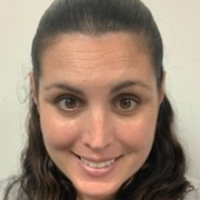
About Patrice
Patrice Bazer is a Licensed Clinical Social Worker with nine years of experience who helps people facing stress, anxiety, depression, relationship strain, and codependency concerns. She works with individuals who are coping with life changes, grief, trauma, parenting questions, body image and self-esteem struggles. Patrice practices in Wyoming and holds a Master of Social Work from the University of Michigan.
Her style is client-centered and goal oriented. Patrice aims to meet people where they are and build a plan together. Sessions focus on practical steps and skills that can be used between meetings.
She draws on approaches such as Cognitive Behavioral Therapy, Dialectical Behavior Therapy, solution-focused methods, and mindfulness techniques. These methods are used to support emotion regulation, improve communication, and create small, achievable changes.
Patrice has spent nearly a decade working in settings that involved children, adolescents, and families, addressing issues like school problems, behavioral concerns, and family conflict. That experience informs how she frames goals and supports parents and individuals through transitions.
Clients can expect a direct but warm approach that emphasizes teamwork, problem solving, and learning new coping strategies. Patrice emphasizes a nonjudgmental space for difficult conversations and practical work toward better functioning and stronger self-awareness.
How therapeutic approaches shape online work
Client-Centered Therapy focuses on listening and responding to each person's goals and values. It helps when someone wants a therapist who listens first and follows the pace the person sets. Cognitive Behavioral Therapy (CBT) looks at the links between thoughts, feelings, and actions and teaches practical skills to change unhelpful patterns; this is often useful for anxiety, depression, and worry. Dialectical Behavior Therapy (DBT) emphasizes learning skills for emotion regulation, distress tolerance, and clearer communication, which can help with intense emotions and relationship struggles.Finding the right approach is part of the work together. Patrice will collaborate with each person to identify which methods fit their needs and goals. That may mean combining approaches or adjusting course over time so the work stays relevant and useful.
Confirm current session options before booking, since the biography does not list specific formats. Many people find online therapy helpful for fitting care into a busy schedule, reducing travel time, and making it easier to keep appointments around work or family demands. Online sessions can also let someone choose whether to focus on skill practice, short-term problem solving, or longer-term exploration depending on what they want to accomplish.
Areas of expertise
Primary focus
Also works with
Additional focus areas
Therapeutic approaches
Experience
9+ years
Credentials
Wyoming
Languages
English
Frequently asked questions
What kinds of problems does Patrice help address?
She works with people dealing with stress, anxiety, depression, relationship and family concerns, grief, trauma and codependency issues among other worries.
How would you describe her therapeutic style?
Her approach is client-centered and goal oriented, focusing on teamwork to set and reach practical objectives during therapy.
What is Patrice's background and experience?
She has nine years of clinical experience and earned a Master of Social Work from the University of Michigan.
What credential does she hold and where is she based?
She is a LCSW licensed in Wyoming and practices out of that state.
Which languages are supported for sessions?
Sessions are offered in English.
Can people outside the U.S. work with her?
International clients are not currently accepted.
How much do sessions cost?
Cost varies with location and therapist availability, and sessions use a subscription that can be canceled at any time.
What are the steps to begin therapy?
Select the Start Therapy button, complete a short matching questionnaire, and schedule according to therapist availability.
Profile details come from information the therapist supplied to BetterHelp. Credential and registration rules differ between the United States, the United Kingdom and Australia.