
Nancy Bevins
LPCWest Virginia · 10 yrs exp
Practical counseling for mood and relationship concerns
Stress, Anxiety · Addictions · LGBT · Relationship · +14 more
Read profileTherapist listings are provided by BetterHelp. We will earn a commission at no additional cost to you if you use our links to purchase.
Welcome to our directory for online therapists serving West Virginia. All therapists listed here are licensed to practice in West Virginia - explore profiles to find clinicians whose approaches, experience, and language match your needs.
West Virginia · 10 yrs exp
Practical counseling for mood and relationship concerns
Stress, Anxiety · Addictions · LGBT · Relationship · +14 more
Read profile
West Virginia · 13 yrs exp
Calm, practical support for everyday challenges
Relationship · Family · Trauma and abuse · Depression · +12 more
Read profile
West Virginia · 15 yrs exp
Compassionate care for stress and addiction concerns
Stress, Anxiety · Addictions · Grief · Self esteem · +1 more
Read profile
West Virginia · 36 yrs exp
Steady, practical help for life transitions
Stress, Anxiety · Relationship · Family · Depression · +1 more
Read profile
West Virginia · 13 yrs exp
Supportive counselor for life changes
Addictions · LGBT · Trauma and abuse · Coping with life changes · +1 more
Read profile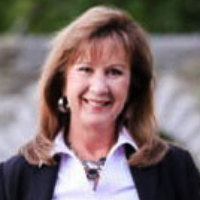
West Virginia · 25 yrs exp
Experienced counselor focused on practical change
Relationship · Family · Grief · Anger · +9 more
Read profile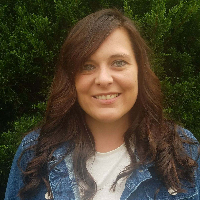
West Virginia · 15 yrs exp
Practical counseling for stress and codependency
Stress, Anxiety · Addictions · LGBT · Trauma and abuse · +11 more
Read profile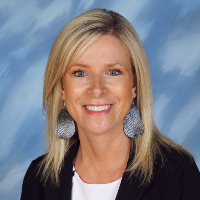
West Virginia · 25 yrs exp
Compassionate counselor focusing on practical change
Relationship · Family · Parenting · Self esteem · +7 more
Read profile
West Virginia · 7 yrs exp
Experienced social worker helping people change patterns
Stress, Anxiety · Relationship · Family · Trauma and abuse · +14 more
Read profile
West Virginia · 24 yrs exp
Help for anxious and overwhelmed people
Stress, Anxiety · Relationship · Trauma and abuse · Parenting · +14 more
Read profile
West Virginia · 13 yrs exp
Compassionate therapist combining insight and action
Stress, Anxiety · Trauma and abuse · Self esteem · Depression · +14 more
Read profile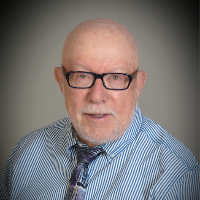
West Virginia · 30 yrs exp
Experienced counselor focused on practical change
Stress, Anxiety · Addictions · Grief · Anger · +7 more
Read profile
West Virginia · 34 yrs exp
Compassionate psychologist guiding practical change
Stress, Anxiety · Addictions · Trauma and abuse · Depression · +9 more
Read profile
West Virginia · 22 yrs exp
Insightful counselor guiding practical change
Stress, Anxiety · Family · Trauma and abuse · Parenting · +10 more
Read profile
West Virginia · 8 yrs exp
Compassionate counselor for mood and relationships
Stress, Anxiety · Family · Trauma and abuse · Self esteem · +15 more
Read profile
West Virginia · 9 yrs exp
Warm, practical counseling for life changes
Stress, Anxiety · LGBT · Intimacy-related issues · Self esteem · +12 more
Read profile
West Virginia · 5 yrs exp
Compassionate counselor focused on practical change
Stress, Anxiety · Addictions · Relationship · Self esteem · +7 more
Read profile
West Virginia · 7 yrs exp
Goal-focused counselor with an attachment-informed approach
Stress, Anxiety · Addictions · LGBT · Intimacy-related issues · +1 more
Read profile
West Virginia · 11 yrs exp
Practical help for stress, trauma, and codependency
Stress, Anxiety · Addictions · Trauma and abuse · Depression · +7 more
Read profile
West Virginia · 14 yrs exp
Direct support for stressful and codependent patterns
Stress, Anxiety · Addictions · Trauma and abuse · Anger · +14 more
Read profile
West Virginia · 7 yrs exp
Compassionate counselor focused on practical change
Stress, Anxiety · Self esteem · Depression · Coping with life changes · +16 more
Read profile
West Virginia · 7 yrs exp
Calm, practical counseling for life changes
Stress, Anxiety · LGBT · Self esteem · Career · +10 more
Read profile
West Virginia · 20 yrs exp
Compassionate counselor for stress and addiction
Stress, Anxiety · Addictions · Trauma and abuse · Self esteem · +4 more
Read profile
West Virginia · 4 yrs exp
Compassionate, practical support for meaningful change
Stress, Anxiety · Addictions · LGBT · Relationship · +11 more
Read profileIf you are living in West Virginia and looking for counseling by video or phone, you will find a growing number of clinicians offering remote sessions. Online therapy in recent years has become a common option for people who want to meet with a licensed mental health professional from home, at a workplace, or while traveling. Many therapists in West Virginia provide sessions through video conferencing, phone, or text-based messaging systems that include encryption and privacy protections. Because regulations and technology have evolved, you may see a range of service models and session lengths; some clinicians describe their primary approaches and populations, while others highlight experience with relationship patterns such as codependency.
Access varies across the state, and internet connectivity is a practical factor to consider when planning remote sessions. In places with limited broadband, phone sessions may be easier to arrange than video. You will also find therapists who list different modalities among their approaches - for example cognitive behavioral approaches, psychodynamic-informed work, or therapies that emphasize attachment and relationships - so you can look for clinicians who describe the methods that resonate with you.
Therapists who offer online services must follow state practice rules. That means many clinicians you find in this directory hold a license issued by West Virginia and list their credential type, such as licensed professional counselor, social worker, or marriage and family therapist. If you are curious about the specific rules that govern telehealth practice, you can review state resources and the professional board that corresponds to a therapist's credential to understand licensure boundaries and practice expectations.
Online therapy can remove barriers that sometimes make in-person appointments difficult. If you live in a rural area, you may have fewer local clinicians whose interests match your needs. With remote sessions you can meet with professionals across the state and connect with therapists who list specific experience with codependency, relationship issues, or other concerns. The convenience of attending sessions from your home or another convenient location can reduce travel time and help you keep appointments more consistently when life is busy.
Another benefit is the breadth of specialties you can access. You might prefer a therapist who lists a particular therapeutic approach, works with a particular age group, or speaks a language other than English. Online formats can make it easier to find that fit. In addition, remote work can allow for flexible scheduling that accommodates shift work, caregiving responsibilities, or other time constraints. While online therapy is helpful for many people, it is not a replacement for emergency services; if you are in crisis you should use local emergency resources or hotlines.
Therapists who offer online sessions address a broad range of concerns. Many people seek help for patterns related to codependency - such as difficulty setting boundaries, difficulty separating your needs from another person’s, or recurring relational cycles. Others pursue therapy for anxiety, depression, grief and loss, trauma-related stress, life transitions, or family and parenting challenges. You will also find clinicians who list work with relationship conflict, couples communication, and recovery-supportive counseling among their approaches.
Some therapists describe the specific techniques or philosophies they use without implying formal certification. For instance, you may find clinicians who list cognitive behavioral therapy among their approaches, therapists who list EMDR among their approaches, or clinicians who emphasize mindfulness and acceptance-based strategies. When you read profiles, pay attention to the issues and populations a therapist highlights - such as adolescents, adults, or partners - so you can identify professionals whose day-to-day practice aligns with what you need.
When you find a clinician you want to learn more about, it is reasonable to verify their professional license. Start by noting the license type and the license number shown in the profile. Each credential - licensed professional counselor, clinical social worker, or marriage and family therapist - is regulated by a state board. You can visit the relevant West Virginia licensing board's website and use its license lookup or verification tool to check the current status, issue or expiration date, and whether there are public disciplinary records. If a profile does not list a license number, you can request it directly from the clinician and then confirm it online.
In addition to the state lookup, you can search the National Provider Identifier registry to see a listed provider record, and you can check professional association directories for membership information. If you find a concern in a public record or want to learn more about a board action, the licensing board's site will usually provide details about the nature of the action and any restrictions. Verifying licensure helps you confirm that the clinician’s credential matches the scope of practice expected in West Virginia.
Beginning online therapy often starts with clarifying your goals and preferences. Think about what you want to address - whether it is patterns of codependency, communication challenges in a relationship, or coping with anxiety and depression - and whether you prefer a therapist who lists particular approaches or populations. When you read profiles, note clinical interests, stated approaches, languages spoken, and any specialties. You can reach out via the contact methods provided in a profile to request more information about a therapist’s approach and typical session structure.
Before your first appointment, plan a few practical steps. Arrange a private space where you can talk without interruption. Test your device and internet connection so video and audio work well, and ask the clinician what platforms they use and what to expect at your first meeting. Prepare a short list of topics you want to cover and any prior therapy or medication history you think is relevant. It is also helpful to ask about fees, payment methods, and whether the clinician provides paperwork electronically so you can review consent and privacy policies in advance.
Choosing a therapist is a personal decision and finding a good match can take intentional searching. Start by identifying priorities - the issues you want to address, the therapist's experience or approaches you value, and any practical factors such as language or session length. When reading profiles, notice how therapists describe their work. Some clinicians emphasize relational dynamics and codependency patterns, while others highlight skills-based methods or trauma-informed perspectives. Look for language that resonates with your preferences and comfort level.
After you contact a therapist, pay attention to the initial interactions. The first exchanges can give you a sense of communication style and whether the clinician explains their approach in a way you understand. It is reasonable to ask about typical session goals, how they measure progress, and what a few early sessions might focus on. Trust your instincts about rapport - the relationship you build with a therapist is a central part of effective work. If a conversation does not feel like a fit, it is appropriate to continue searching until you find someone whose approach and interpersonal style align with your needs.
Ultimately, online therapy can expand your options in West Virginia by connecting you to clinicians who list the specific approaches and experience you are seeking. Take time to verify licensure, prepare for your first session, and choose a therapist whose focus and communication make you feel understood and supported as you work toward your goals.
Addictions
5230 therapists
Anger
5674 therapists
Control Issues
5753 therapists
Dependent Personality
3656 therapists
Depression
7813 therapists
Domestic Violence
4213 therapists
Grief
6461 therapists
Guilt and Shame
7395 therapists
Intimacy Issues
4691 therapists
Isolation / Loneliness
6843 therapists
Self Esteem
7704 therapists
Stress & Anxiety
8451 therapists
Trauma and Abuse
7152 therapists
Abandonment
5825 therapists
Attachment Issues
5997 therapists
Blended Family Issues
4663 therapists
Caregiver Issues and Stress
5343 therapists
Codependency
8817 therapists
Commitment Issues
5177 therapists
Communication Problems
7506 therapists
Coping with Life Changes
7192 therapists
Divorce
5966 therapists
Family
6461 therapists
Family of Origin Issues
4646 therapists
Forgiveness
6672 therapists
Infidelity
4502 therapists
Jealousy
4512 therapists
Parenting
5313 therapists
Relationship
7447 therapists
Self-Love
7127 therapists