
Stephen Richardson
LCSW, LISW-CPNorth Carolina · 10 yrs exp
Faith-informed clinical social worker
Stress, Anxiety · Relationship · Family · Bipolar · +16 more
Read profileTherapist listings are provided by BetterHelp. We will earn a commission at no additional cost to you if you use our links to purchase.
Welcome to our North Carolina directory for online therapy. All listed therapists are licensed in North Carolina - explore profiles to learn about approaches, focus areas, credentials and languages.
Use the listings to find professionals whose skills and perspectives match what you want from therapy.
North Carolina · 10 yrs exp
Faith-informed clinical social worker
Stress, Anxiety · Relationship · Family · Bipolar · +16 more
Read profile
North Carolina · 16 yrs exp
Practical therapy for life and relationships
Stress, Anxiety · Relationship · Family · Parenting · +8 more
Read profile
North Carolina · 30 yrs exp
Experienced counselor for life transitions
Stress, Anxiety · Addictions · LGBT · Trauma and abuse · +1 more
Read profile
North Carolina · 20 yrs exp
Compassionate therapist for life transitions
Stress, Anxiety · Parenting · Self esteem · Depression · +15 more
Read profile
North Carolina · 35 yrs exp
Experienced LCSW guiding steady recovery
Stress, Anxiety · Addictions · Relationship · Trauma and abuse · +8 more
Read profile
North Carolina · 10 yrs exp
Practical support for stress and trauma
Stress, Anxiety · Trauma and abuse · Self esteem · Depression · +1 more
Read profile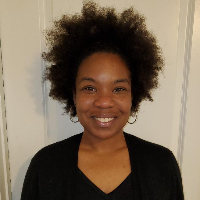
North Carolina · 15 yrs exp
Compassionate therapist focused on real-life change
LGBT · Relationship · Family · Parenting · +7 more
Read profile
North Carolina · 7 yrs exp
Relationship-focused LMFT supporting adults
Relationship · Family · Intimacy-related issues · Parenting · +7 more
Read profile
North Carolina · 24 yrs exp
Trauma-informed LCSW focused on healing relationships
Stress, Anxiety · Relationship · Family · Trauma and abuse · +14 more
Read profile
North Carolina · 6 yrs exp
Compassionate counselor for life transitions
Stress, Anxiety · Relationship · Family · Parenting · +7 more
Read profile
North Carolina · 5 yrs exp
Compassionate counselor helping steady real-life change
Relationship · Trauma and abuse · Self esteem · Depression · +13 more
Read profile
North Carolina · 6 yrs exp
Practical, compassionate counseling for relationship strain
Stress, Anxiety · Relationship · Parenting · Self esteem · +7 more
Read profile
North Carolina · 16 yrs exp
Practical, people-centered therapy for everyday challenges
Stress, Anxiety · Family · Trauma and abuse · Self esteem · +13 more
Read profile
North Carolina · 16 yrs exp
Compassionate counselor focused on practical change
Stress, Anxiety · Addictions · Grief · Eating · +12 more
Read profile
North Carolina · 14 yrs exp
Calm guidance for stress and relationships
Stress, Anxiety · Relationship · Family · Trauma and abuse · +9 more
Read profile
North Carolina · 20 yrs exp
Practical, experienced LCSW focused on lasting change
Stress, Anxiety · Addictions · Trauma and abuse · Grief · +11 more
Read profile
North Carolina · 14 yrs exp
Compassionate, practical therapy for everyday struggles
Stress, Anxiety · Relationship · Family · Grief · +12 more
Read profile
North Carolina · 17 yrs exp
Straightforward counseling for real-life challenges
Family · Trauma and abuse · Depression · Stress, Anxiety · +11 more
Read profile
North Carolina · 43 yrs exp
Experienced counselor focused on healing relationships
Stress, Anxiety · Trauma and abuse · Grief · Self esteem · +4 more
Read profile
North Carolina · 10 yrs exp
Compassionate counselor focused on everyday healing
Stress, Anxiety · Trauma and abuse · Grief · Parenting · +11 more
Read profile
North Carolina · 13 yrs exp
Practical, values-focused therapy for real-life struggles
Stress, Anxiety · Addictions · Grief · Anger · +11 more
Read profile
North Carolina · 13 yrs exp
Practical support for emotional and relational challenges
Stress, Anxiety · Relationship · Family · Self esteem · +12 more
Read profile
North Carolina · 35 yrs exp
Longtime LCSW focused on practical healing
Stress, Anxiety · Relationship · Trauma and abuse · Self esteem · +7 more
Read profile
North Carolina · 36 yrs exp
Experienced North Carolina LCSW supporting change
Stress, Anxiety · Addictions · Relationship · Trauma and abuse · +1 more
Read profileOnline therapy in North Carolina has become a common way for people to access mental health care without traveling to an office. If you are located in North Carolina, many licensed clinicians offer counseling and psychotherapy sessions through video, phone, or text-based messaging platforms. State licensure rules mean that clinicians who provide care to people physically located in North Carolina must hold an appropriate North Carolina license. That means when you search for an online therapist, you will most often see professionals who are licensed by one of the state boards that regulate mental health care in North Carolina.
Because policies and practice models change, you should expect a mix of clinicians offering different formats and hours. Some clinicians emphasize weekly video sessions while others combine live sessions with short messaging check-ins between appointments. The online format can be used for a broad range of concerns, and many therapists list one or more approaches in their profiles so you can get a sense of how they work. Profiles often include education, credential type, approaches they list, and languages spoken to help you find a good match.
Online therapy can make it simpler to fit counseling into a busy schedule because you do not need to factor in travel time. If you live in a rural part of North Carolina, online sessions can open access to clinicians who might otherwise be far away. You can connect from a home office, a parked car between errands, or any quiet space that lets you focus, which can make it easier to maintain consistency in care.
The online format also allows you to prioritize continuity of care. If you move within the state, switch jobs, or have changing childcare needs, continuing sessions remotely can reduce disruptions. Additionally, you may find clinicians who list specialized experience or approaches that match your situation without being limited to your immediate geographic area. When comparing options, look for therapists who describe the methods they use and the populations they work with so you can select someone aligned with your goals.
Online therapists in North Carolina commonly work with people facing relationship challenges, codependency, anxiety, depression, grief, life transitions, stress related to work or family, and identity-related concerns. Many clinicians list experience helping people navigate communication patterns, boundary setting, and recovery from unhealthy relational dynamics. You will also find therapists who list trauma-informed approaches among their methods for supporting people processing difficult past events.
Therapists who list cognitive-behavioral approaches among their methods may focus on practical strategies for managing symptoms, while those who list psychodynamic, emotion-focused, or integrative approaches may concentrate on understanding patterns and emotions over time. Some profiles include clinicians who list family or couples work as part of their practice. The online format can work well for individual therapy as well as for partners or family members who coordinate separate sessions or join together in video sessions when appropriate. Look at profiles to see which conditions and client groups a therapist highlights to find someone whose focus matches what you want help with.
Verifying a therapist's license helps you confirm that the clinician is authorized to practice in North Carolina. You can check license status through the appropriate North Carolina licensing boards that regulate mental health professions. Many boards provide searchable online license lookup tools where you can enter a clinician's name or license number to view active status, licensure type, and any public disciplinary information. If you are uncertain which board applies, the therapist's profile often lists the credential type such as Licensed Clinical Social Worker, Licensed Professional Counselor, or Licensed Marriage and Family Therapist, which points to the correct board to contact.
If you have questions after reviewing a board record, you may contact the board directly for clarification. When you look at a profile, note the exact credential listed and use that information in a license lookup. Verifying a license is a straightforward step that gives you factual information about a clinician's regulatory status in the state and can inform your decision as you narrow your choices.
Getting started with online therapy usually begins with searching profiles to identify clinicians whose approaches and focus areas match your needs. Profiles commonly include a short biography, listed approaches, populations served, languages spoken, and contact preferences. When a clinician's profile resonates with you, reach out using the contact method they provide. Initial contacts often include a brief message about what you are seeking and a question about the logistics of working together, such as session length and general structure. You do not need to provide detailed clinical histories in a first message - a short note about your primary concern and intent to learn more is sufficient.
Before or during your first session, you can expect to discuss practical matters such as fees, session format, and how the clinician handles notes and records. If you use health insurance, ask the clinician how they handle claims and what information might be necessary for reimbursement. If you are using a payment method out of pocket, inquire about session length and whether they offer sliding scale options. It is reasonable to ask about the typical course of work for someone with concerns similar to yours so you can form expectations about the process.
Choosing a therapist is a personal decision and there is no single formula for the right match. Begin by clarifying your goals for therapy and what matters most to you - whether you want practical strategies, deeper exploration of patterns, support navigating relationships, or a combination. Use the therapist profiles to find clinicians who list approaches and populations that align with your goals. Pay attention to the language used in bios and session descriptions to see whether it resonates with how you think about change.
Consider practical preferences such as session length, the languages spoken by the clinician, and whether the clinician describes working with people in situations similar to yours. If you have a preference for certain therapeutic approaches, look for therapists who list those approaches among their methods, and remember that listing an approach on a profile does not guarantee specific training - it indicates an orientation they use in practice. During initial conversations you can ask how a clinician typically structures sessions and how they measure progress so you get a sense of whether their style suits you. Trust your instincts about communication style, and give yourself permission to seek a different clinician if the match does not feel right after a few sessions.
Ultimately, online therapy in North Carolina offers a range of options to match different needs and preferences. By verifying licensure, clarifying your goals, and reviewing therapist profiles for approaches and focus areas, you can make an informed choice about who to contact. Start with small steps - a short introductory message and a conversation about approach and logistics - and let that process guide you toward the professional who feels like the best fit for the work you want to do.
Addictions
5230 therapists
Anger
5674 therapists
Control Issues
5753 therapists
Dependent Personality
3656 therapists
Depression
7813 therapists
Domestic Violence
4213 therapists
Grief
6461 therapists
Guilt and Shame
7395 therapists
Intimacy Issues
4691 therapists
Isolation / Loneliness
6843 therapists
Self Esteem
7704 therapists
Stress & Anxiety
8451 therapists
Trauma and Abuse
7152 therapists
Abandonment
5825 therapists
Attachment Issues
5997 therapists
Blended Family Issues
4663 therapists
Caregiver Issues and Stress
5343 therapists
Codependency
8817 therapists
Commitment Issues
5177 therapists
Communication Problems
7506 therapists
Coping with Life Changes
7192 therapists
Divorce
5966 therapists
Family
6461 therapists
Family of Origin Issues
4646 therapists
Forgiveness
6672 therapists
Infidelity
4502 therapists
Jealousy
4512 therapists
Parenting
5313 therapists
Relationship
7447 therapists
Self-Love
7127 therapists