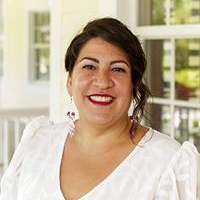
- Warm interactive style
- Strengths based
- Focus on recovery
About Zamarys
Zamarys Webster is a Licensed Clinical Social Worker with over 10 years of experience. She has worked in multiple settings and supports people through difficult life moments. Zamarys aims to be a steady presence for those feeling overwhelmed.
She commonly helps people recovering from substance use and from the effects of trauma. She also supports people reintegrating after incarceration and those facing life-limiting illness, including their family members who are coping with grief. Anxiety, depression, relationship strain, and family conflict are other areas she addresses.
Zamarys describes her counseling style as warm and interactive. She says she is a "heart with ears" and focuses on respect, sensitivity, and compassion in sessions. She aims to tailor the pace and methods to match how each person processes feelings.
Her work draws on several practical approaches. She uses client-centered listening alongside cognitive-behavioral strategies and elements of dialectical behavior therapy. Mindfulness and existential ideas may also appear when they fit a person's goals.
People who prefer a collaborative, strengths-based tone may find her style welcoming. She emphasizes clear, down-to-earth conversation and practical steps between sessions. The goal is to build skills and sense of possibility while honoring each person's experience.
Approaches that inform online sessions
Client-centered therapy focuses on listening without judgment and following the client's pace; it helps people feel heard and understand their own needs more clearly. Cognitive Behavioral Therapy, or CBT, looks at the link between thoughts, feelings, and actions and teaches practical skills to reduce anxiety, manage mood, and change unhelpful patterns. Dialectical Behavior Therapy, or DBT, offers skills for emotion regulation, distress tolerance, and clearer communication when feelings feel intense.Finding the right approach is something the therapist will do together with the client. Zamarys will talk through goals, try methods that fit a person's preferences, and adjust as progress unfolds. The work is collaborative and paced to what each person finds useful.
If you are considering online sessions, confirm the current session options before booking so you know which formats are offered. Many people find online work easier to fit into a busy day, helpful for shorter check-ins, and useful when they need to avoid travel. Licensed professionals can use focused skill practice, guided thought exercises, and mindfulness tools in remote sessions to support recovery and coping without promising a specific outcome.
Areas of expertise
Also works with
Additional focus areas
Therapeutic approaches
Experience
10+ years
Credentials
Florida
Languages
English
Frequently asked questions
What concerns can Zamarys help with?
She works with stress, anxiety, addictions, trauma and abuse, grief, depression, LGBT concerns, relationship and intimacy-related issues, parenting strain, anger, low self-esteem, and compassion fatigue, among other areas.
What is her therapy style like?
Her approach is warm and interactive. She listens closely, adapts to how each person processes emotions, and uses practical tools alongside supportive conversation.
How much experience does she have?
Zamarys has worked in clinical roles for 10 years across different settings supporting people with substance recovery, trauma, reintegration after incarceration, and serious illness.
What are her credentials and where is she based?
She is a Licensed Clinical Social Worker (LCSW) licensed in Florida and practices from that state.
Which languages are sessions offered in?
Sessions are offered in English.
Can people outside the country work with her?
She is not accepting international clients at this time.
How are sessions billed and what does it cost?
Cost varies with location and therapist availability; sessions use a subscription that can be canceled at any time.
How do I begin working with her?
Choose the Start Therapy button, complete a short matching questionnaire, and schedule according to the therapist's availability.
Profile details come from information the therapist supplied to BetterHelp. Credential and registration rules differ between the United States, the United Kingdom and Australia.