- 31 years experience
- Practical coping skills
- Focus on relationships
About Willie
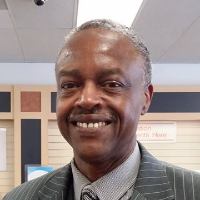
Willie Whited is a Licensed Clinical Social Worker (LCSW) based in Georgia with over 31 years in mental health. He holds a master’s degree in Guidance and Counseling and has worked across clinical settings since 1980. His long career includes work with people who have serious mental illness and those facing co-occurring mental health and substance use challenges.
Willie’s approach centers on each person’s needs and motivations. He adapts techniques to match what a client brings to sessions, drawing especially on Cognitive Behavioral Therapy and other evidence-informed methods. The work is practical and straightforward, focused on helping people name problems and try different ways of coping.
He has substantial experience with adults and also spent ten years working with children and adolescents in community programs and residential settings. His background includes recognition for work with co-occurring disorders and participation in leadership training at Morehouse School of Medicine’s Satcher Health Leadership Institute.
Typical concerns addressed include stress, anxiety, addiction, trauma, mood disorders, relationship and intimacy-related issues, parenting strain, sleep problems, anger, and attention-deficit concerns. Additional focuses include attachment and abandonment issues, codependency, guilt and shame, and navigating life purpose.
Sessions are geared toward building practical skills, improving day-to-day functioning, and helping people move toward clearer goals. He encourages steady, achievable steps rather than quick fixes. Prospective clients are invited to start by describing their immediate concerns and goals so sessions can be tailored to what matters most.
How therapeutic approaches shape online work
Acceptance and Commitment Therapy (ACT) helps people notice thoughts and feelings without getting stuck in them, then move toward actions that match their values. It can be useful for anxiety, depression, and life transitions. Cognitive Behavioral Therapy (CBT) focuses on identifying unhelpful thinking and testing new behaviors to reduce symptoms and improve daily routines. It is often used for anxiety, mood, and sleep problems. Attachment-Based Therapy looks at patterns in close relationships, helping people understand how early bonds affect current connection and trust issues.Choosing the right approach is part of the process. The therapist works collaboratively to match methods to a person’s needs, goals, and preferences. Early sessions are used to try a direction and adjust if something isn’t helpful, so the plan evolves with feedback from the client.
If you are considering online sessions, confirm the available session formats before booking. Online work can make it easier to fit therapy into a busy schedule, reduce travel time, and allow for shorter check-ins when needed. It also lets therapists and clients continue steady work during life changes, and makes it possible to practice skills in real-life settings between sessions. Ask about the specific session options when you schedule so you can pick what fits your routine best.
Areas of expertise
Primary focus
Also works with
Additional focus areas
Therapeutic approaches
Experience
31+ years
Credentials
Georgia
Languages
English
Frequently asked questions
What kinds of concerns does Willie address?
He works with a broad range of issues including stress, anxiety, addictions, trauma and abuse, bipolar disorder, depression, relationship and intimacy-related issues, sleep problems, parenting concerns, anger, self-esteem, and ADHD.
What is his therapeutic style like?
The style is person-focused and practical. Techniques are tailored to each person and often include Cognitive Behavioral Therapy alongside other approaches to fit the issue at hand.
How much clinical experience does he have?
He has worked in mental health since 1980, bringing over 31 years of experience across diverse clinical areas and populations.
What are his qualifications and where is he located?
He is a Licensed Clinical Social Worker (LCSW) and a CSW practicing in Georgia.
Which languages are supported for sessions?
Sessions are offered in English.
Can people outside the United States work with him?
International clients are not currently accepted.
How is cost handled?
Cost varies with location and therapist availability; sessions use a subscription that can be canceled at any time.
How do I begin working with him?
Click the Start Therapy button, complete a short matching questionnaire, and schedule according to therapist availability.
Profile details come from information the therapist supplied to BetterHelp. Credential and registration rules differ between the United States, the United Kingdom and Australia.