- Codependency support
- Practical skills
- Client-centered care
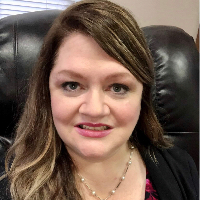
About Tracey
Tracey Byram, LPC, helps people facing stress, anxiety, depression, and mood differences like bipolar disorder. She also supports those dealing with trauma, grief, codependency, addiction, and struggles with self-esteem or intimacy. Her work includes attention to parenting strains, career stress, and life transitions. She speaks English and practices in Georgia with 27 years of experience.
Tracey draws on several therapy styles to meet each person's needs. She uses cognitive behavioral techniques to identify unhelpful thinking and to practice different behaviors. She also uses client-centered methods that focus on listening and building a trusting working relationship. Attachment-based ideas help when patterns from earlier relationships affect how someone connects now.
Her approach is practical and straightforward. Sessions tend to focus on current problems, small skills to try between meetings, and clearer goals that make progress visible. She adapts the plan if something isn’t working and helps people notice what changes help day to day.
Tracey has worked with LGBT clients for many years and has experience with autism, attachment concerns, blended family issues, and foster or adoption-related struggles. She also brings experience with chronic illness, caregiver stress, and compassion fatigue. Her perspective includes both clinical tools and practical life adjustments.
Outside of clinical work she enjoys hiking, yard work, home projects, and reading. She values learning from each person she meets and aims to create a respectful, steady space for change.
Therapeutic approaches that translate to online work
Acceptance and Commitment Therapy, or ACT, helps people notice thoughts and feelings without getting stuck in them. It focuses on values and small steps that move a person toward a life that matters to them, which can be useful for anxiety, depression, and codependency patterns.Cognitive Behavioral Therapy, or CBT, breaks down current problems into thoughts, actions, and feelings. It teaches clear skills to test unhelpful thinking and try new behaviors, often with short exercises between sessions to practice skills in daily life.
Finding the right approach is part of the work. The therapist will collaborate with each person to choose methods that match their goals, needs, and preferences. That may mean combining elements from different approaches and adjusting the plan over time.
If you are considering online therapy, check which session formats are offered before you book. Confirming the available options will ensure sessions fit your routine and the way you prefer to meet. Online sessions can make it easier to fit therapy into a busy week, allow shorter check-ins when needed, and avoid travel time. Ask about the format details when you schedule so you can plan how therapy will fit into your day.
Areas of expertise
Primary focus
Also works with
Additional focus areas
Therapeutic approaches
Experience
27+ years
Credentials
Georgia
Languages
English
Frequently asked questions
What concerns does Tracey commonly address?
She helps people with stress, anxiety, depression, bipolar disorder, trauma and abuse, addictions, codependency, relationship and intimacy issues, grief, parenting strain, and related concerns.
How would you describe her therapy style?
Her style is practical and listening-focused. She combines problem-solving skills with client-centered listening to set small, achievable goals.
What is her professional background?
She has 27 years of clinical experience working with a broad range of concerns, including work with LGBT clients and people impacted by adoption, attachment issues, and autism.
What credentials and location should I know about?
She holds the LPC credential and practices in Georgia as a licensed professional counselor.
In what language are sessions offered?
Sessions are offered in English.
What session formats does she offer?
Current session formats are not specified here; please confirm available options before booking to be sure they meet your needs.
How are fees handled?
Costs vary with location and therapist availability; sessions use a subscription that can be canceled at any time.
How do I get started working with her?
Select the Start Therapy button, complete a short matching questionnaire, and schedule according to therapist availability.
Profile details come from information the therapist supplied to BetterHelp. Credential and registration rules differ between the United States, the United Kingdom and Australia.