- Practical skill building
- Affirming approach
- Values based work
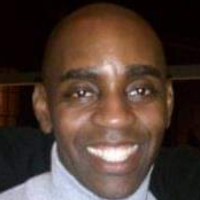
About Titus
Dr. Titus Tucker helps people facing stress, anxiety, addiction, grief, and relationship struggles. He works with people who feel stuck by shame, low self-esteem, or the fallout from trauma. He aims to listen carefully and offer practical next steps that feel achievable.
He brings 23 years of experience as a LICSW and LCSW licensed in Florida. Sessions focus on everyday problems like communication issues, workplace stress, social anxiety, and feeling isolated. He also supports exploration of sexuality and gender questions, including gender dysphoria and LGBT concerns.
Dr. Tucker uses straightforward, evidence-informed methods rather than jargon. He often helps people notice how thoughts and actions affect their mood, then practices small changes that add up. Mindfulness and acceptance skills are used alongside conversations about values and goals.
People meet him for help with codependency, attachment worries, commitment doubts, and intimacy-related issues. He also addresses first responder stress, compassion fatigue, and life changes such as career transitions or loss. His work emphasizes developing clearer communication and stronger boundaries.
Clients can expect a respectful, nonjudgmental stance that honors cultural differences. He focuses on building skills people can use outside sessions and on practical steps toward feeling more grounded. To begin, readers are asked to follow the site's start process and complete a short matching questionnaire.
Therapeutic approaches useful in online care
Acceptance and Commitment Therapy, or ACT, helps people clarify what matters most to them and take small actions toward those values even when uncomfortable feelings appear. It can be useful for anxiety, depression, and problems with motivation. Cognitive Behavioral Therapy, or CBT, focuses on identifying unhelpful thinking and testing new behaviors to reduce distress and improve coping for issues such as stress, mood concerns, and relationship patterns.Finding the right approach is a collaborative process. The therapist will work with each person to match techniques to their goals and preferences rather than using one fixed method. Together they review what helps and adjust the plan over time.
Online sessions can make it easier to fit therapy into a busy week and to continue work between appointments. If you need information about which session formats he currently offers, confirm the available options before booking. Many people find remote meetings helpful for shorter check-ins, regular skill practice, and keeping momentum during life transitions.
Areas of expertise
Primary focus
Also works with
Additional focus areas
Therapeutic approaches
Experience
23+ years
Credentials
Florida, District of Columbia
Languages
English
Frequently asked questions
What issues does Dr. Tucker address?
He helps people with stress, anxiety, addictions, depression, grief, relationship and intimacy-related issues, codependency, and related concerns such as attachment and communication problems.
How would he describe his therapeutic style?
His style is direct and supportive, using mindfulness, acceptance, and cognitive techniques to build practical skills and clarify values.
What is his professional background?
He has 23 years of clinical experience working with a broad range of emotional and interpersonal concerns.
What credentials and location are listed?
He holds LICSW and LCSW credentials and is licensed in Florida.
Which languages are sessions offered in?
Sessions are offered in English.
Can people outside the U.S. schedule with him?
He is not accepting international clients at this time.
How are fees and payment handled?
Cost varies by location and therapist availability; sessions use a subscription that can be canceled at any time.
How do I begin working together?
Click the Start Therapy button, complete a short matching questionnaire, and then schedule according to therapist availability.
Profile details come from information the therapist supplied to BetterHelp. Credential and registration rules differ between the United States, the United Kingdom and Australia.