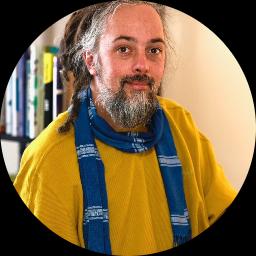
- Collaborative companion
- Direct and warm
- Focus on codependency
About Thomas
Thomas Wilder is a licensed clinical mental health counselor based in North Carolina. He frames therapy as a collaborative journey where the person in therapy is the hero and he serves as a steady partner who offers encouragement, honest feedback, and practical guidance. He aims to help people rewrite old stories of doubt and fear into accounts that match their growth and strengths.
Thomas brings four years of post-licensure clinical practice to his work and has additional years working in recovery-focused, person-centered communities. He often supports people facing stress, anxiety, addictions, depression, bipolar challenges, and trauma, along with related issues such as sleep problems, anger, career stress, grief, and intimacy struggles. Codependency and attachment concerns are also among his focus areas.
In sessions he favors a direct but warm style that blends empathy, humor, and occasional confrontation when it helps move things forward. He uses client-centered principles alongside approaches that address patterns of overcontrol, perfectionism, and treatment-resistant depression. Thomas helps people practice new ways of relating to themselves so their goals and values feel more accessible.
He holds a Master of Arts degree and the credential LCMHC, which stands for Licensed Clinical Mental Health Counselor. Thomas worked for several years in a recovery-based therapeutic community before moving into his current practice in the mountains of North Carolina.
People who connect well with honest feedback and a collaborative, narrative-style process may find his approach a good fit. He invites clients to partner in changing long-standing patterns and building a life that feels more meaningful and manageable.
How therapeutic approaches shape online work
Thomas uses client-centered therapy to put the person’s goals and priorities at the center of each session. This approach focuses on listening, reflecting, and following the pace and concerns the client brings, making it useful for stress, anxiety, and relationship-related concerns.He also draws on Dialectical Behavior Therapy ideas, especially skills for emotion regulation, distress tolerance, and interpersonal effectiveness. DBT-style strategies can help when strong emotions, anger, or patterns of overcontrol make everyday life harder.
Finding the right approach is part of the work together. Thomas will collaborate with each person to choose methods that fit their needs, goals, and preferences rather than imposing one path. That means trying ideas, noticing what helps, and adjusting the plan as therapy progresses.
Confirm the available session options before booking, as specific online formats are not listed here. Online sessions can make it easier to fit therapy into a busy schedule, allow shorter check-ins when needed, and reduce travel time. They can also let people use phone-only or lower-bandwidth meetings when camera sessions are not practical, helping therapy slot into everyday life without major disruption.
Areas of expertise
Primary focus
Also works with
Additional focus areas
Therapeutic approaches
Experience
4+ years
Credentials
North Carolina
Languages
English
Frequently asked questions
What concerns does Thomas address?
He helps with stress, anxiety, addictions, depression, bipolar disorder, trauma, grief, intimacy issues, sleep problems, anger, career stress, and coping with life changes. Additional focuses include codependency, attachment and abandonment issues, and substance-related concerns.
What is his therapeutic style like?
Thomas blends a client-centered approach with direct feedback, warmth, and occasional confrontation when helpful. He uses narrative and existential ideas to help people change unhelpful life stories and daily habits.
How much clinical experience does he have?
He has four years of practice as a licensed clinician plus earlier experience working in a recovery-based, person-centered therapeutic community.
What credentials and location apply to his practice?
He holds the credential LCMHC, which stands for Licensed Clinical Mental Health Counselor, and he practices in North Carolina.
Which languages are sessions offered in?
Sessions are offered in English.
Does he work with international clients?
International clients are not currently accepted.
How is cost handled for sessions?
Session cost varies with location and therapist availability and uses a subscription that can be canceled at any time.
What are the first steps to begin therapy?
Click the Start Therapy button, complete a short matching questionnaire, and then schedule sessions according to the therapist's availability.
Profile details come from information the therapist supplied to BetterHelp. Credential and registration rules differ between the United States, the United Kingdom and Australia.