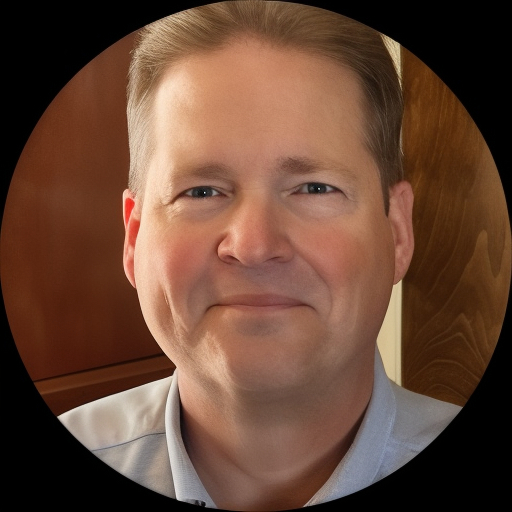
- 20 years experience
- Utah based LCMHC
- Practical communication help
About Thomas
Thomas Hazen is a licensed clinical mental health counselor with 20 years of experience based in Utah. He focuses on helping people who feel overwhelmed by anxiety, depression, stress, relationship strain, trauma, and anger. He aims to make therapy simple and approachable so people can take the first step even when they feel unsure.
He works with clients to reduce isolation and shame and to rebuild trust in themselves. Sessions often focus on practical steps for improving communication and strengthening self-worth. Thomas takes a collaborative tone and helps people set realistic goals that fit their daily lives.
Over two decades of practice have shaped a straightforward style that mixes active listening with problem-solving. He supports people through life transitions, grief, addiction concerns, caregiver stress, and medical or disability-related challenges. Codependency and abandonment themes are included among the issues he addresses.
Thomas believes healing grows from a respectful, steady relationship where people feel heard. He helps clients try new ways of coping, test changes between sessions, and notice small shifts that add up. The work is paced to each person’s needs and readiness.
People who prefer clear, practical guidance often find his approach helpful. If someone wants to improve relationships, manage strong emotions, or recover from past harms, he offers steady support and concrete tools to move forward.
Evidence-based approaches and online care
Thomas uses evidence-based therapeutic techniques that focus on clear skills and real-world changes. One common thread is approaches that teach emotion regulation and coping skills to help manage strong anxiety, anger, and mood symptoms; these methods aim to give practical tools for daily situations. Another useful approach emphasizes improving communication and relationship patterns to reduce isolation and codependent dynamics, helping people notice interaction habits and try new responses.Choosing the right approach is a collaborative process. The therapist will talk with each person about goals, preferences, and what has or hasn't worked before, then try methods that fit those priorities. Adjustments are made as progress is checked and new needs arise.
If you are considering online sessions, confirm the current session options before booking since formats were not specified in the biography. Online work can make it easier to fit therapy into a busy life, reduce travel time, and allow shorter check-ins when schedules are tight. Many people find remote sessions help keep momentum between appointments while still focusing on the same practical skills and relationship work they would do in person.
Areas of expertise
Primary focus
Additional focus areas
Experience
20+ years
Credentials
Utah
Languages
English
Frequently asked questions
What kinds of concerns does Thomas address?
He focuses on stress, anxiety, relationship difficulties, trauma and abuse, anger, and depression, with additional attention to issues like codependency, abandonment, caregiver stress, and addiction concerns.
What is his style of therapy like?
His style is empathic and practical, combining active listening with goal-setting and skills practice to help people improve communication and self-regard.
How much experience does he have?
He has worked as a clinician for 20 years, supporting people through mood concerns, trauma, life transitions, and relationship challenges.
Where is he licensed and based?
He is a licensed clinical mental health counselor, LCMHC, practicing in Utah.
Which languages are sessions offered in?
Sessions are offered in English.
Can people outside the U.S. work with him?
International clients are not currently accepted.
How does cost and billing work?
Cost varies by location and therapist availability; sessions use a subscription that can be canceled at any time.
How do I begin working with him?
Start by selecting the Start Therapy button, completing a short matching questionnaire, and scheduling based on the therapist's availability.
Profile details come from information the therapist supplied to BetterHelp. Credential and registration rules differ between the United States, the United Kingdom and Australia.