- Person-centered
- CBT tools
- Codependency support
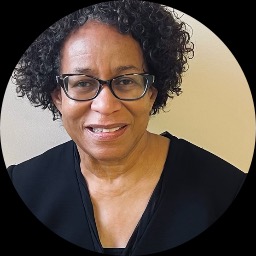
About Theresa
Theresa Ridley is a licensed clinical social worker in Maryland with 25 years of experience. She centers her work on the person in front of her and uses that perspective to guide each session. She helps people manage stress, anxiety, depression, grief, and the impacts of trauma and addiction.
Her approach is straightforward and practical. She uses client-centered methods to follow what matters most to each person. She also draws on cognitive behavioral therapy to help people notice unhelpful thoughts and try different, more useful behaviors.
Theresa offers a calm space to talk through hard things like codependency, abandonment, or caregiver strain. She also supports people dealing with control issues, impulsivity, isolation, or substance concerns. Conversations often focus on small, doable changes that make daily life easier.
Over her career she has worked across settings that exposed her to grief, hospice and end-of-life counseling, multicultural concerns, personality-related struggles, and post-traumatic stress. That variety informs how she tailors conversations and strategies to each person’s situation.
When someone is ready to begin, Theresa asks about goals and what matters most. She helps set priorities and crafts practical steps to try between sessions. The emphasis is on realistic progress that fits into a busy life.
Client-focused approaches adapted for online work
Theresa uses client-centered therapy to put the person's goals and priorities first. That approach means the therapist listens closely, follows what matters most, and helps shape sessions around each person's story and strengths.She also uses cognitive behavioral therapy, which helps people identify patterns of thinking that contribute to distress and try practical alternatives. CBT is often useful for anxiety, depression, stress, and behaviors related to addiction or impulsivity.
Choosing the right approach is a collaborative process. Theresa will talk with the client about goals, preferences, and what feels helpful. Together they decide whether to focus more on exploration and support or on skills and behavior change, and they adjust the plan over time.
Confirm the current session options before booking, as formats are not listed here. Online therapy can make it easier to fit sessions into a busy schedule, reduce travel time, and allow shorter check-ins when needed. It can also let people choose session times that work around caregiving or work commitments. Ask about the available formats when you schedule so arrangements match your needs and daily life.
Areas of expertise
Additional focus areas
Therapeutic approaches
Experience
25+ years
Credentials
Maryland
Languages
English
Frequently asked questions
What concerns does Theresa help with?
She helps people who are coping with stress, anxiety, depression, grief, trauma, and addictions. Additional areas include codependency, caregiver stress, abandonment, and isolation.
How would you describe her therapeutic style?
Theresa uses a client-centered approach that follows each person's priorities and builds on their strengths. She also uses cognitive behavioral therapy to address unhelpful thinking and behavior patterns.
What kind of experience does she bring?
She has 25 years of professional experience working with a wide range of concerns, including grief, trauma, addiction, and multicultural issues.
Where is she licensed and practicing?
She holds an LCSW-C in Maryland and practices with that credential in that state.
Which languages are sessions conducted in?
Sessions are offered in English.
Can people outside the United States work with her?
International clients are not currently accepted.
How are fees handled?
Cost varies with location and therapist availability; sessions use a subscription that can be canceled at any time.
How do I begin working with Theresa?
Click the Start Therapy button, complete a short matching questionnaire, and then schedule based on therapist availability.
Profile details come from information the therapist supplied to BetterHelp. Credential and registration rules differ between the United States, the United Kingdom and Australia.