- Warm listening
- Practical steps
- Values focused
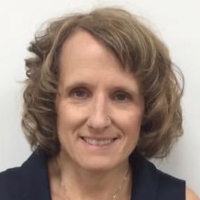
About Teresa
Teresa Gehman is a Licensed Mental Health Counselor (LMHC) who helps people navigate stress, anxiety, depression, grief, codependency, and relationship or intimacy-related issues. She welcomes conversations about identity and LGBT concerns, as well as challenges like parenting strain, addiction, eating concerns, and coping with major life changes. Teresa aims to make initial contact feel easier and more encouraging for anyone reaching out.
Teresa brings about 30 years of experience to her work and mixes approaches to meet each person where they are. She uses straightforward methods so people can see practical change. Sessions focus on what matters most to the client and on small steps that add up over time.
Her style is warm and solution-oriented. She listens first and adapts methods such as acceptance-based strategies, attachment-focused ideas, and cognitive-behavioral techniques to fit individual needs. The goal is to help people clarify values, shift unhelpful patterns, and build coping skills.
Teresa also addresses trauma, caregiver stress, chronic health issues, aging concerns, and problems with communication or control. She works with people facing separation, abandonment fears, or the long-term impact of abuse.
Prospective clients can expect a calm, steady presence in sessions and practical homework when it helps. Teresa encourages questions, and she focuses on creating a respectful, nonjudgmental space to talk through difficult material.
How proven approaches translate to online work
Teresa uses a mix of familiar approaches to guide online conversations. Acceptance and Commitment Therapy (ACT) helps people notice unhelpful thoughts, clarify values, and take small committed actions toward a life they care about. Cognitive Behavioral Therapy (CBT) focuses on identifying patterns of thought and behavior and practicing alternatives that reduce distress and improve functioning. Attachment-Based Therapy looks at how early relationship patterns shape current connections and helps people try new ways of relating to others.Figuring out the best approach is a collaborative process. The therapist will talk with the client about goals, history, and what feels workable. Together they decide which methods to try and adjust over time based on what is helping.
For practical matters, confirm current session options before booking since formats were not specified in the biography. Online therapy can make it easier to fit sessions into a busy life, reduce travel time, and allow check-ins during short breaks. It can also let people choose quieter surroundings or avoid video when that makes sessions easier to manage. Licensed professionals tailor sessions to the client's needs so therapy can be both useful and workable within everyday routines.
Areas of expertise
Primary focus
Also works with
Additional focus areas
Therapeutic approaches
Experience
30+ years
Credentials
New York
Languages
English
Frequently asked questions
What concerns does Teresa commonly address?
She helps people with stress, anxiety, depression, grief, addictions, eating issues, and codependency, along with relationship and intimacy-related problems.
How would you describe her therapeutic style?
Her approach is empathetic and solutions-oriented. She listens first, then combines methods that fit each person's needs.
How much clinical experience does she have?
She has about 30 years of experience working with a wide range of concerns including trauma, parenting challenges, and LGBTQ issues.
What credential and location are on record?
She is listed as an LMHC and practices in New York.
Which languages are offered for sessions?
Sessions are offered in English.
Can international clients work with Teresa?
International clients are not currently accepted.
How are sessions billed and what about cost?
Cost varies with location and therapist availability; sessions use a subscription that can be canceled at any time.
How do I begin working with her?
Use the Start Therapy button, complete a short matching questionnaire, and schedule sessions according to her availability.
Profile details come from information the therapist supplied to BetterHelp. Credential and registration rules differ between the United States, the United Kingdom and Australia.