- Goal focused
- Practical tools
- Relationship work
About Susan
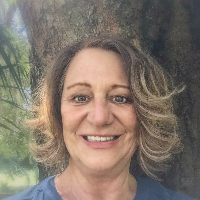
Dr. Susan Sult greets people with a direct, practical approach. She is a Florida psychologist with decades of experience who helps people manage stress, anxiety, mood concerns, relationship strain, and codependency. She aims to make therapy understandable and useful from the first session.
Dr. Sult uses clear, goal-focused conversations to help clients name the changes they want. She draws from cognitive-behavioral methods to spot and shift unhelpful thinking. She also uses solution-focused and emotionally attuned techniques to build practical steps forward and strengthen relationships.
With 35 years in the field she has worked with a wide range of concerns, including trauma, addiction, bipolar disorder, sleep and eating problems, and parenting challenges. Her background includes experience in individual, couple, and family work, and she often helps people untangle patterns such as abandonment fears, attachment struggles, control issues, and dependent behaviors.
Sessions involve identifying clear goals, trying concrete strategies, and reviewing what works. She explains techniques so people can use them between sessions. The focus is on making steady, achievable progress rather than quick fixes.
Outside the office she enjoys horseback riding, quilting, cooking, and time with family and friends. Those interests feed a down-to-earth style in sessions that combines practical tools with an understanding of how life feels day to day.
How her approaches translate to online work
Dr. Sult commonly uses cognitive-behavioral therapy to help people notice unhelpful thoughts and try different behaviors. CBT often focuses on practical exercises and skill practice that translate well to remote sessions. She also uses dialectical behavior therapy skills for emotional regulation and distress tolerance, which teach clear steps people can try between meetings.Finding the right approach is part of the work together. She will discuss the goals, try methods that fit the person's needs, and adjust the plan based on what helps. The process is collaborative and focused on building skills that a person can use outside session time.
The practical benefits of online therapy include fitting sessions into a busy schedule and reducing travel time. Online work can make it easier to keep regular appointments, check in during a break at work, or follow up after trying a skill in daily life. Confirm current session options before booking to learn which formats are available for scheduling and to choose what best fits everyday routines.
Areas of expertise
Primary focus
Also works with
Additional focus areas
Therapeutic approaches
Experience
35+ years
Credentials
Florida
Languages
English
Frequently asked questions
What concerns does she commonly help with?
She helps people with stress, anxiety, depression, trauma and abuse, addictions, relationship and intimacy issues, and codependency among other concerns.
What is her therapy style like?
Her style is practical and collaborative, using clear goals and concrete techniques from cognitive-behavioral and solution-focused approaches alongside emotionally-focused work.
How much experience does she have?
She brings 35 years of clinical experience working with a wide range of mental health and relationship issues.
What are her credentials and where is she based?
She is a Florida Psychologist, credential listed as FL Psychologist PY3854, and sees clients from Florida.
Which languages are supported for sessions?
Sessions are offered in English.
Can people outside the country work with her?
She does not accept international clients at this time.
How are fees and payment handled?
Cost varies with location and therapist availability; sessions use a subscription that can be canceled at any time.
How do I begin a therapy match?
Click the Start Therapy button, complete a short matching questionnaire, and schedule according to therapist availability.
Profile details come from information the therapist supplied to BetterHelp. Credential and registration rules differ between the United States, the United Kingdom and Australia.