- Evidence-informed approaches
- Practical coping skills
- Support for life transitions
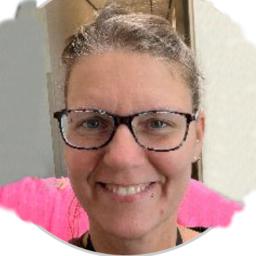
About Stephanie
Stephanie Meeks is a licensed clinical social worker who offers supportive, down-to-earth care. She focuses on helping people facing stress, anxiety, trauma and abuse, and grief. Stephanie also helps with self-esteem, motivation, and managing life changes.
Stephanie draws on seven years of experience working with people through hard moments. She emphasizes clear, practical steps alongside conversations that let people name what they feel. Sessions are a place to talk without judgment and to try small changes that feel doable.
Her background includes work with mood concerns such as bipolar disorder and disruptive mood dysregulation, as well as substance use and impulse-related challenges. She also addresses relationship-related patterns, including codependency, attachment concerns, communication problems, and control issues.
Stephanie uses evidence-informed methods to guide sessions. She blends Cognitive Behavioral Therapy and Dialectical Behavior Therapy skills with mindfulness and motivational interviewing to help people notice unhelpful patterns and practice alternatives. That combination supports coping skills, emotional regulation, and clearer decision-making.
People who come to Stephanie often want straightforward support for everyday struggles and major life transitions. She aims to help clients set realistic goals, build new coping tools, and increase confidence over time. To begin, clients follow the site's onboarding steps to match and schedule a first appointment.
How CBT, DBT, and Mindfulness can fit into online care
CBT, or Cognitive Behavioral Therapy, helps people notice how thoughts, feelings, and actions link together and then try small behavior changes to shift patterns. It often helps with anxiety, stress, and mood problems by breaking down problems into manageable steps. DBT, or Dialectical Behavior Therapy, teaches concrete skills for managing intense emotions, tolerating distress, and improving communication. Those skills can be useful for impulse control, anger, and emotional ups and downs. Mindfulness Therapy focuses on present-moment awareness and learning to observe thoughts without immediate reaction. It can reduce rumination and improve emotional regulation when practiced regularly. Choosing an approach is part of the work together. Stephanie will collaborate with each person to identify goals and try methods that match their needs and preferences. That may mean mixing CBT, DBT skills, and mindfulness practices based on what helps most. For practical arrangements, confirm the session options before booking since specific formats are not listed here. Online therapy can make it easier to fit appointments into a busy life, allow shorter check-ins when helpful, and reduce time spent traveling to appointments. Licensed professionals often tailor session length and pacing to fit each person’s routine and goals.Areas of expertise
Primary focus
Also works with
Additional focus areas
Therapeutic approaches
Experience
7+ years
Credentials
Idaho
Languages
English
Frequently asked questions
What issues does she help address?
She works with people facing stress, anxiety, trauma and abuse, grief, self-esteem concerns, bipolar disorder, addictions, anger, and coping with life changes.
What is her therapy style like?
Her style is practical and conversational, focusing on clear steps and skill-building alongside compassionate listening.
How much clinical experience does she have?
She has seven years of professional experience in clinical practice.
What are her credentials and where is she based?
She holds an LCSW, and she is licensed to practice in Idaho.
Which languages are supported in sessions?
Sessions are offered in English.
Can international clients work with her?
She does not accept international clients at this time.
How does payment and cost work?
Cost varies by location and therapist availability; sessions are offered through a subscription that can be canceled at any time.
How do I start working with her?
Use the Start Therapy button, complete a short matching questionnaire, and then schedule according to therapist availability.
Profile details come from information the therapist supplied to BetterHelp. Credential and registration rules differ between the United States, the United Kingdom and Australia.