- Focus on relationships
- Practical coping tools
- Mindfulness and skills
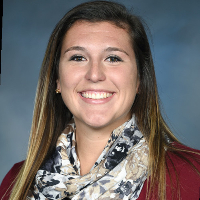
About Stephanie
Stephanie Knauer is a Licensed Professional Counselor (LPC) practicing in Pennsylvania. She focuses on helping people manage stress, anxiety, addiction concerns, relationship and intimacy issues, and codependency. Her style aims to be straightforward and practical so people can use what they learn quickly in daily life.
She draws on seven years of clinical experience across inpatient behavioral health and substance abuse settings. That background means she is familiar with crisis moments and longer recovery work. Stephanie blends approaches to match what each person needs rather than using a single method for everyone.
In sessions she often uses cognitive behavioral techniques to shift unhelpful thoughts and behaviors. She also incorporates dialectical behavior tools to build emotion regulation and distress tolerance skills. Attachment-based ideas help when people want to understand patterns in relationships and closeness.
Stephanie values a client-centered tone that puts the person’s goals first. She brings practical strategies, mindfulness practices, and solution-focused conversations to create manageable steps forward. She also has an interest in supporting people with performance anxiety, including athletes.
Her training and time in both inpatient and outpatient settings inform how she plans treatment and supports coping during life changes. People who want clear tools, steady support for transitions, and work on relationship patterns may find her approach useful.
Approaches that guide online work and goals
Attachment-based work focuses on understanding how early and current relationship patterns shape feelings and behavior. It can help when people notice repeated problems with trust, closeness, or fear of abandonment.Cognitive Behavioral Therapy, or CBT, teaches skills to identify and change unhelpful thoughts and behaviors. It is often used for anxiety, depression, and managing daily stress with concrete exercises and homework.
Finding the right approach is part of therapy. The therapist will talk with each person about goals and preferences and combine methods that seem like the best fit. That collaborative planning makes it easier to try practical strategies and adjust them as needed.
If you are considering online therapy, confirm the session formats available before booking since the biography did not specify formats. Online options can make it simpler to fit sessions into a busy week, allow shorter check-ins when needed, or remove travel time. These practical benefits can help people keep momentum between sessions while working on skills for relationships, anxiety, and codependency.
Areas of expertise
Also works with
Additional focus areas
Therapeutic approaches
Experience
7+ years
Credentials
Pennsylvania
Languages
English
Frequently asked questions
What concerns does she commonly address?
She works with stress, anxiety, depression, addictions, codependency, relationship and intimacy issues, grief, trauma, and related concerns.
How would you describe her therapy style?
Her approach is practical and client-centered, using clear strategies and step-by-step skill building to address problems people bring to sessions.
What kind of clinical background does she have?
She has seven years of clinical experience, including inpatient behavioral health and inpatient and outpatient substance abuse work.
What credentials and location are listed?
She is a Licensed Professional Counselor, LPC, practicing in Pennsylvania.
Which languages are supported and can international clients join?
Sessions are offered in English. International clients are not currently accepted.
What session formats are available?
The original biography does not list specific session formats; confirm current session options before booking.
How does pricing work for sessions?
Cost varies with location and therapist availability; sessions use a subscription that can be canceled at any time.
How do I begin working with her?
Use the Start Therapy button, complete a short matching questionnaire, and schedule according to therapist availability.
Profile details come from information the therapist supplied to BetterHelp. Credential and registration rules differ between the United States, the United Kingdom and Australia.