- Family conflict
- Trauma support
- Codependency help
About Shiho
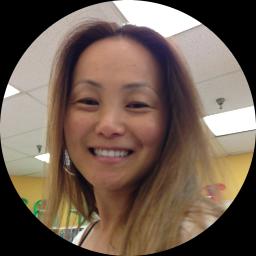
Shiho Murakami is a licensed clinical social worker who helps people facing family conflict, parenting stress, trauma, and issues related to sexual orientation. She brings a calm, respectful approach and aims to make the first steps toward change feel manageable. Shiho speaks both English and Japanese and practices in Maryland and the District of Columbia.
Shiho uses clear, practical conversations to tailor each session to what a person needs right now. She focuses on what matters most to the client and adjusts pacing and topics so progress feels realistic. Expect a respectful, compassionate space where small changes add up over time.
Her work draws on approaches such as Acceptance and Commitment Therapy and Cognitive Behavioral Therapy to help people notice unhelpful patterns and try new behaviors. Attachment-Based and Client-Centered ideas guide how she attends to relationships and emotional experience. Skills from Dialectical Behavior Therapy are used when managing intense emotions and stress.
Across six years of practice she has assisted people with concerns including abandonment, adoption and foster care issues, attachment difficulties, codependency, substance and eating problems, and communication struggles. Shiho integrates these areas into straightforward plans rather than one-size-fits-all remedies.
Sessions are shaped around each person’s goals and comfort level. She emphasizes collaboration so clients can set the pace and decide which tools are most useful for daily life.
How her approaches translate to online work
Shiho commonly uses Acceptance and Commitment Therapy and Attachment-Based Therapy in session. Acceptance and Commitment Therapy helps people notice difficult thoughts and feelings without getting stuck, and then commit to actions that match their values. Attachment-Based Therapy focuses on how early relationships shape current patterns and helps people repair or make sense of those patterns.Finding the right approach is part of the process. Shiho works together with each person to decide which methods fit their goals and preferences. That collaborative planning helps shape session topics and homework so the work feels useful for daily life.
Session formats are not specified in the biography, so confirm current options before booking. Online therapy can make it easier to fit sessions into a busy week, allow shorter check-ins, and reduce travel time. It also lets people try talking through practical relationship or parenting issues from a familiar setting while using ACT, attachment-focused conversation, CBT problem-solving, or DBT skills in between meetings.
Areas of expertise
Primary focus
Additional focus areas
Therapeutic approaches
Experience
6+ years
Credentials
District of Columbia, Maryland
Languages
English, Japanese
Frequently asked questions
What kinds of concerns can Shiho help with?
She helps people with family conflict, parenting stress, trauma and abuse, LGBT-related concerns, and self-esteem issues. Additional areas include adoption and foster care, codependency, substance and eating issues, and communication problems.
What is her general therapeutic style?
Sessions are practical and collaborative, focusing on clear goals and small steps. Shiho adapts conversation and pacing to the person in front of her.
How much clinical experience does she have?
Shiho has six years of professional experience working with the issues listed in her profile.
Which credentials and region apply to her practice?
She holds LICSW (District of Columbia) and LCSW-C (Maryland) credentials and practices in Maryland.
In what languages are sessions offered?
Sessions are offered in English and Japanese.
Can international clients work with her?
She is not taking international clients at this time.
How are fees and billing handled?
Cost varies by location and therapist availability; sessions use a subscription that can be canceled at any time.
What do I do to begin working with her?
Click the Start Therapy button, complete a short matching questionnaire, and schedule according to therapist availability.
Profile details come from information the therapist supplied to BetterHelp. Credential and registration rules differ between the United States, the United Kingdom and Australia.