- Mind-body focus
- Trauma recovery
- Relationship support
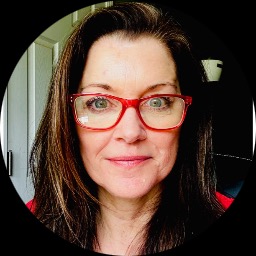
About Sherry
Sherry Lyerly-Tarner is a Licensed Clinical Mental Health Counselor (LCMHC) who focuses on helping people manage stress, anxiety, relationship problems, trauma and abuse, self-esteem challenges, and major life changes. She writes plainly and offers a steady presence for those feeling overwhelmed or stuck. Sherry aims to make sessions straightforward and practical so people can use what they learn right away.
Her work combines traditional therapy and holistic methods to address the whole person - mind, body, and spirit. She uses mindfulness, yoga-informed techniques, somatic methods, and expressive activities to help clients notice how feelings show up in the body. Those tools are offered alongside talk therapy to build awareness and coping skills.
Sherry has 13 years of clinical experience in North Carolina. She has worked with people recovering from abusive relationships, navigating divorce or blended family challenges, and coping with disordered eating and body image concerns. Her background includes teaching yoga in an outpatient recovery program and offering group classes on stress reduction and mindfulness.
She also brings experience with trauma recovery, caregiving stress, addiction-related concerns, and complex relationship dynamics such as attachment and codependency. This mix of clinical and experiential approaches is used to tailor sessions to each person's needs.
Sherry offers a calm, practical style that emphasizes skills people can use between sessions. She supports clients in building resilience, improving communication, and finding clearer ways to move forward.
How therapeutic approaches shape online care
Sherry incorporates evidence-based therapeutic techniques alongside mind-body methods. For example, trauma-informed approaches focus on stabilizing symptoms and building safety through grounding and pacing, which can help people managing past abuse or overwhelming stress. Mindfulness-based strategies teach simple attention and breathing practices that reduce anxiety and improve emotional regulation.She also uses somatic and body-informed practices that help people notice physical sensations linked to emotions and stress. These techniques can complement talk work by giving concrete exercises for calming the nervous system and improving self-awareness. Together, these approaches target both thoughts and bodily responses to support recovery from trauma, relationship strain, and codependency patterns.
Finding the right approach is a collaborative process. The therapist will work with each person to identify goals and preferences, then try methods that fit those needs. Progress is reviewed together and methods are adjusted when something isn't helpful.
If you are considering online work, confirm the current session options before booking so you know which formats are offered. Online therapy can make it easier to fit sessions into a busy life, reduce travel time, and allow shorter check-ins when needed. Licensed professionals can still use the same therapeutic techniques remotely, adapting exercises and practices so they work in a home or workplace rhythm.
Areas of expertise
Primary focus
Additional focus areas
Experience
13+ years
Credentials
North Carolina
Languages
English
Frequently asked questions
What issues does Sherry help with?
Sherry helps people with stress, anxiety, relationship conflict, trauma and abuse, self-esteem, and coping with life changes. She also addresses related concerns such as codependency, attachment issues, body image, and substance-related problems.
What is her approach in sessions?
She uses an integrative approach that combines talk therapy with mindfulness, somatic and body-informed techniques. Sessions focus on practical skills, awareness of bodily responses, and strategies to manage current problems.
How long has she been practicing?
Sherry has 13 years of clinical experience working with a range of concerns including trauma recovery, divorce-related stress, and eating disorder recovery.
What credentials and region are listed?
She is a Licensed Clinical Mental Health Counselor, abbreviated LCMHC, and practices in North Carolina.
Which languages are supported for sessions?
Sessions are offered in English.
Can people outside the U.S. work with her?
She does not accept international clients at this time.
How is cost handled for sessions?
Cost varies by location and the therapist's availability, and sessions use a subscription that can be canceled at any time.
What steps start the process?
Begin by selecting the Start Therapy button, complete a short matching questionnaire, and then schedule according to the therapist's availability.
Profile details come from information the therapist supplied to BetterHelp. Credential and registration rules differ between the United States, the United Kingdom and Australia.