- Client-centered care
- Practical coping skills
- Collaborative goal setting
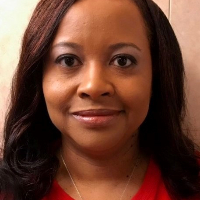
About Shawna
Shawna Morrison-Flood is a Licensed Clinical Social Worker (LCSW) based in Virginia. She draws on a decade of clinical experience to help people manage stress, anxiety, relationship strain, grief, addiction concerns, and changes that come with life transitions.
Her style is warm, direct, and respectful. She aims to meet people where they are and listen first to understand what matters most. Sessions focus on clear goals and small, practical steps that fit into everyday life.
Shawna trained in social work and began her career in child protective services at the local Department of Social Services. That early work shaped her perspective on safety, family systems, and the real pressures people face.
Over the years she has supported people coping with mood disorders, ADHD, trauma and abuse, and complicated grief. She also works with issues such as codependency, parenting stress, hoarding, and communication problems. The goal is to reduce immediate distress and build skills for handling future challenges.
Her approach blends several methods rather than relying on one single model. Shawna uses practical tools from cognitive behavioral strategies, mindfulness practices, and client-centered conversation to help people try new ways of thinking and acting. She encourages self-determination and works collaboratively on treatment goals.
To begin, Shawna asks questions to understand a person’s current struggles and priorities. From there she helps design sessions that focus on manageable changes and ongoing support for long-term improvement.
Therapeutic approaches and how they work online
Client-centered therapy focuses on listening and following the person’s lead. The therapist provides empathy and reflection to help people clarify their goals and values, which is useful for relationship concerns and self-esteem work.Cognitive Behavioral Therapy (CBT) looks at thought patterns and behaviors that keep problems going. Sessions use structured conversations and practical exercises to change unhelpful thinking and build better coping skills for anxiety, depression, and mood difficulties.
Mindfulness therapy brings attention to the present moment through simple practices. It can help reduce reactivity to stress and improve emotional awareness, which supports people dealing with trauma, grief, and ongoing anxiety.
Finding the right approach is a shared process. The therapist will talk with each person about their needs, goals, and preferences, and then try methods that fit. It often helps to mix approaches and adjust over time based on what is working.
Confirm which session formats are offered before booking, since the biography did not list them. Online therapy can make it easier to fit sessions into a busy life, for example by saving travel time, allowing shorter check-ins during a workday, or avoiding the need to be on camera when that feels difficult. Licensed professionals can adapt these approaches to work effectively in remote sessions and help people apply new skills between meetings.
Areas of expertise
Primary focus
Also works with
Additional focus areas
Therapeutic approaches
Experience
10+ years
Credentials
Virginia
Languages
English
Frequently asked questions
What kinds of concerns does Shawna help with?
Shawna supports people facing stress, anxiety, depression, trauma and abuse, grief, addictions, and relationship and family difficulties. She also addresses ADHD, bipolar mood concerns, codependency, parenting stress, and related challenges.
What is her general therapy style?
Her style is welcoming, sincere, and engaging. Sessions focus on listening first, setting clear goals, and using practical steps to reduce distress.
How long has she been practicing clinically?
She has about 10 years of clinical experience, having worked in both child welfare and clinical social work settings.
What credentials and location apply to her practice?
She holds an LCSW license in Virginia and practices there.
Which languages are available for sessions?
Sessions are offered in English. International clients are accepted.
What session formats does she offer?
The original biography does not list specific session formats, so confirm current session options before booking.
How does billing or cost work?
Cost varies with location and therapist availability; sessions use a subscription that can be canceled at any time.
How do I start working with her?
Select the Start Therapy button, complete a short matching questionnaire, and schedule according to therapist availability.
Profile details come from information the therapist supplied to BetterHelp. Credential and registration rules differ between the United States, the United Kingdom and Australia.