- Client-centered
- Skills focused
- Practical support
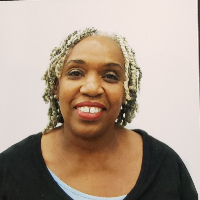
About Sharon
Sharon Sumler is a Licensed Master Social Worker (LMSW) based in Michigan with 20 years of experience. She focuses on issues like stress, anxiety, addictions, relationship and family concerns, depression, trauma and abuse, grief, intimacy, parenting, anger, self-esteem, career shifts, bipolar challenges, and ADHD. Sharon aims to offer a steady, understanding presence for people facing hard moments.
Sharon takes a practical, person-first approach in sessions. She listens to each person’s story and helps them name problems and set realistic goals. Her work draws on client-centered methods so conversations start from the client’s needs and priorities. She also uses cognitive behavioral techniques to identify and shift unhelpful thoughts.
Mindfulness and dialectical strategies are part of her toolbox too, with simple exercises for managing strong emotions and building tolerance for distress. Motivational interviewing helps when someone feels stuck or unmotivated, focusing on small steps toward change. These approaches are mixed to suit each person rather than applied in a fixed order.
Sharon’s background includes long-term practice across many challenges related to family systems and individual coping. She draws on personal life experience alongside clinical work to offer empathy and practical ideas. Her aim is to help people build skills they can use day to day.
People who choose Sharon can expect straightforward conversation, goal-focused planning, and techniques to manage symptoms between sessions. Prospective clients should confirm current session options before booking.
How specific approaches shape online therapy
Client-Centered Therapy emphasizes listening and following the client's lead. Sessions focus on understanding what matters most to the person and building goals from their priorities. It helps with relationship stress, self-esteem, and situations that feel confusing or overwhelming.Cognitive Behavioral Therapy, or CBT, breaks problems into thoughts, feelings, and actions. It teaches practical strategies to notice unhelpful thinking and try different behaviors. This approach is often useful for anxiety, depression, and managing everyday stress.
Dialectical Behavior Therapy, or DBT, adds skills for handling intense emotions and improving interpersonal effectiveness. Simple breathing, grounding, and coping skills are taught for use when feelings are high.
Finding the right approach is part of the work. Sharon will collaborate with each person to decide which methods fit their needs, goals, and preferences. That means trying approaches, checking what helps, and adjusting plans together rather than committing to one fixed path.
Confirm the available session options before scheduling, as the profile does not list formats. Online therapy can make it easier to fit sessions into a busy life - for example, it can cut commute time, allow shorter check-ins during a break, or make it simpler to join when energy is limited. Talk with the therapist about what will work best for scheduling and day-to-day needs.
Areas of expertise
Primary focus
Also works with
Additional focus areas
Therapeutic approaches
Experience
20+ years
Credentials
Michigan
Languages
English
Frequently asked questions
What concerns does Sharon commonly help with?
She helps people facing stress, anxiety, depression, trauma and abuse, relationship and family issues, addictions, grief, parenting strain, bipolar challenges, ADHD, and codependency among other concerns.
What is her general therapy style?
Sharon uses a person-first style that centers on listening and practical problem solving. Sessions often combine talking with hands-on techniques to manage symptoms between meetings.
How much experience does she bring?
She has about 20 years of experience working in social work roles and clinical practice across a range of life and family challenges.
What credentials and location are listed?
Sharon holds an LMSW, which stands for Licensed Master Social Worker, and her profile lists Michigan as the location tied to her credentialing.
Which languages are supported for sessions?
Sessions are offered in English.
Can international clients work with her?
International clients are not currently accepted.
How are sessions priced?
Cost varies with location and therapist availability; sessions use a subscription that can be canceled at any time.
How do I begin working with Sharon?
Use the Start Therapy button, complete a short matching questionnaire, and then schedule based on the therapist's availability.
Profile details come from information the therapist supplied to BetterHelp. Credential and registration rules differ between the United States, the United Kingdom and Australia.