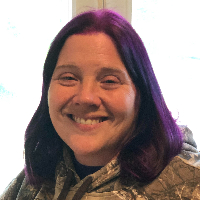
- 17 years experience
- Focus on codependency
- Client-centered approach
About Shannon
Shannon Gaiser is a Licensed Professional Counselor (LPC) based in Pennsylvania with 17 years of clinical experience. She draws on a long history working in addiction treatment and private practice to support people facing stress, anxiety, depression, and the challenges that follow trauma and loss. Shannon writes in a direct, nonjudgmental way and offers practical guidance that reflects her experience in recovery and addiction settings.
She uses clear, plain talk to help people set boundaries, manage difficult emotions, and address patterns like codependency and substance use. Sessions focus on real-life skills people can try between meetings, such as behavioral experiments, communication steps, and goal-setting. Shannon pays attention to family of origin issues and relationship patterns that affect daily life.
Her background includes years working in inpatient and outpatient rehabs and in private practice alongside medication-assisted treatment providers. That work informs how she supports people exploring alternatives to traditional 12-step programs, and how she talks about options like medication-assisted care without judgment.
Shannon blends client-centered listening with techniques from cognitive behavioral therapy, motivational interviewing, acceptance and commitment therapy, and mindfulness. She aims to match practical strategies to each person’s goals, pace, and needs. Sessions can include talk, brief skill practice, and planning for the next steps.
She offers communication by message, video, and voice, and notes typical response times for messages. Shannon encourages a collaborative approach and helps people find manageable ways to move forward from overwhelm, addiction, grief, or major life change.
Approaches that guide online work
Shannon commonly combines cognitive behavioral therapy and motivational interviewing in her online work. CBT focuses on identifying unhelpful thought and behavior patterns and replacing them with practical alternatives; it often helps with anxiety, depression, and coping skills. Motivational interviewing uses a collaborative, nonjudgmental tone to help people find their own reasons for change, which can be useful when addressing substance use or commitment concerns.She also draws on client-centered and acceptance and commitment therapy ideas to shape conversations. Client-centered work emphasizes listening and reflecting so people feel heard. Acceptance and commitment ideas encourage noticing thoughts and values-based action rather than getting stuck on trying to control every feeling. Deciding which mix to use is a joint process; the therapist works with each person to match approaches to goals, comfort, and pace.
Online sessions can make it easier to fit therapy into a busy life, whether scheduling around work, handling brief check-ins, or avoiding travel time. The biography lists video, voice, and text messaging as communication options, but readers should confirm current session options before booking. Shannon aims to help people try tools between meetings and adapt methods so therapy fits real-world routines.
Areas of expertise
Primary focus
Also works with
Additional focus areas
Therapeutic approaches
Experience
17+ years
Credentials
Pennsylvania
Languages
English
Frequently asked questions
What kinds of concerns does Shannon address?
She supports people dealing with stress, anxiety, addiction, depression, trauma and abuse, grief, relationship and family issues, parenting challenges, and codependency among other concerns.
How would you describe her therapeutic style?
Her approach is practical and direct, combining client-centered listening with techniques from cognitive behavioral therapy, motivational interviewing, mindfulness, and acceptance and commitment therapy.
What is her professional background?
Shannon has 17 years of experience including work in inpatient and outpatient rehabs and private practice supporting people through recovery and related issues.
What are her credentials and where is she located?
She is a Licensed Professional Counselor (LPC) practicing in Pennsylvania.
Does she offer services in other languages or internationally?
Sessions are offered in English and she accepts international clients.
What session formats are available?
The biography indicates availability for text, video, and voice sessions; please confirm current session options before booking.
How are fees and payments handled?
Cost varies with location and therapist availability; sessions use a subscription model that can be canceled at any time.
How do I begin if I want to work with her?
Use the Start Therapy button, complete a short matching questionnaire, and schedule sessions according to therapist availability.
Profile details come from information the therapist supplied to BetterHelp. Credential and registration rules differ between the United States, the United Kingdom and Australia.