- Calm and direct
- Evidence informed
- Skills focused
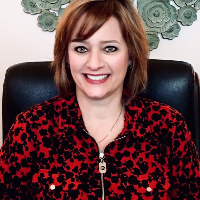
About Shannon
Dr. Shannon Hunter is a licensed professional counselor with 19 years of clinical experience. She focuses on helping people find practical coping strategies and skills to reduce stress, anxiety, depression, and related concerns. Her work often includes clear, evidence-informed talk and education so clients know what to try between sessions.
Her background includes degrees from Texas Tech University and a Doctorate in Educational Psychology. Shannon also has a Master’s in Counseling and a Master’s in Education, and she holds LPC licensure in Texas. Her career has crossed many settings, including private practice, university counseling, integrated health clinics, state facilities, and group clinics.
Her style is calm and direct. She uses active listening and supportive encouragement to help people talk through difficult feelings. Sessions typically mix practical skill teaching with space to reflect and process what comes up.
Shannon draws on several clinical approaches to tailor treatment to each person. She commonly uses cognitive behavioral strategies, dialectical behavior skills, acceptance-based work, attachment-focused ideas, and client-centered listening to create individualized plans.
She helps with many concerns such as codependency, relationship struggles, trauma, grief, addictions, ADHD, parenting strain, and caregiving stress. People who want clear tools, steady support, and a straightforward plan often find her approach useful.
How her approaches guide online work
Acceptance and Commitment Therapy (ACT) focuses on helping people notice their thoughts and choose actions that align with their values. It can help when avoidance, worry, or low motivation get in the way of living the life someone wants. Cognitive Behavioral Therapy (CBT) looks at how thoughts, feelings, and behaviors interact and teaches concrete strategies to change unhelpful patterns. CBT is often used for anxiety, depression, sleep issues, and codependency patterns.Finding the right approach is part of the work together. The therapist will collaborate with each person to match methods to their goals and preferences. That means trying different tools, checking what helps, and adjusting the plan over time so it fits the individual situation.
Confirm current session options before booking so you know what formats are offered. Online work can make it easier to fit sessions into a busy week, reduce travel time, and allow brief check-ins when schedules are tight. It can also let people use techniques at home between sessions and bring real-life situations into the conversation for immediate feedback.
Areas of expertise
Primary focus
Also works with
Additional focus areas
Therapeutic approaches
Experience
19+ years
Credentials
Texas
Languages
English
Frequently asked questions
What kinds of problems does Shannon help with?
She works with stress, anxiety, depression, relationship and intimacy concerns, addiction issues, grief, trauma, codependency, ADHD, and a range of life changes and caregiving challenges.
How would you describe her therapy style?
Her style is calm and direct with active listening and supportive encouragement. Sessions typically mix practical skills teaching with time to reflect and talk through feelings.
What is her professional background?
She has 19 years of experience and has worked in private practice, university settings, integrated health clinics, state facilities, and group clinics.
What credentials and location are listed for this therapist?
She holds LPC licensure in Texas and lists degrees including a Doctorate in Educational Psychology and two master’s degrees from Texas Tech University.
Which languages are supported for sessions?
Sessions are offered in English.
Are international clients accepted?
She does not accept international clients at this time.
How does billing and cost work?
Cost varies by location and therapist availability, and sessions use a subscription that can be canceled at any time.
How do I begin working with her?
Use the Start Therapy button, complete the brief matching questionnaire, and schedule sessions based on the therapist's availability.
Profile details come from information the therapist supplied to BetterHelp. Credential and registration rules differ between the United States, the United Kingdom and Australia.