- Addictions focus
- Strengths-based
- Collaborative approach
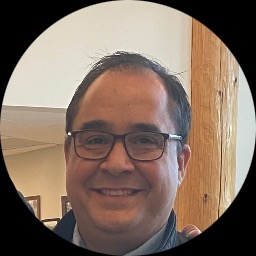
About Shad
Shad St. Paul is a Licensed Independent Clinical Social Worker (LICSW) based in Washington. He focuses on helping people facing addictions, trauma, depression, low self-esteem, and anger. He also addresses codependency and related concerns like communication problems and commitment issues.
Shad aims to build a calm, nonjudgmental space where adults can talk through what feels stuck. He uses straightforward conversation and practical steps to help people notice patterns and try new behaviors. Sessions emphasize what matters most to the person sitting in the room.
Across 14 years of practice, Shad has worked with people dealing with drug and alcohol problems, obsessive thoughts and compulsions, phobias, and strong feelings of guilt or shame. He also supports those sorting through life purpose, forgiveness, jealousy, and family tensions. His background includes substance use work alongside general mental health care.
In sessions he draws from client-centered methods to keep the focus on the individual’s goals. Cognitive Behavioral Therapy and Dialectical Behavior Therapy tools are used when they fit the concern at hand. Motivational Interviewing and Narrative Therapy help with change motivation and making sense of life stories.
Shad describes his style as collaborative and strengths-based. He helps people set small, reachable steps and practices that fit everyday life. To begin, readers are encouraged to use the Start Therapy flow on the site to match and schedule a visit.
How therapeutic approaches translate to online work
Client-Centered Therapy focuses on listening without judgment and following the person's lead. Online sessions using this approach let the therapist and client focus on priorities the client brings, such as addiction recovery or handling shame. Cognitive Behavioral Therapy, or CBT, looks at the links between thoughts, feelings, and actions and teaches concrete skills to change unhelpful patterns; it can help with depression, anxiety, and OCD symptoms during remote sessions.Finding the right approach is part of the work. The therapist will collaborate with the client to choose methods that match goals and preferences. That means trying steps, checking what helps, and adjusting the plan together rather than committing to a single method from the start.
Practical benefits of online therapy include greater ease fitting sessions into a busy schedule and fewer needs to travel. Online work can make it simpler to keep regular check-ins, try short behavioral assignments between meetings, and use structured tools like CBT worksheets. Confirm which session formats are currently offered before booking so you know how meetings will be scheduled and delivered.
Areas of expertise
Primary focus
Additional focus areas
Therapeutic approaches
Experience
14+ years
Credentials
Washington
Languages
English
Frequently asked questions
What concerns does this therapist address?
Shad focuses on addictions, trauma and abuse, anger, low self-esteem, and depression, with additional attention to codependency and related issues.
What is the therapy style like?
The approach is collaborative and client-centered, with practical exercises and conversations aimed at real-life changes.
How much experience does the therapist have?
Shad has 14 years of clinical experience working in mental health and substance use care.
What credential does this clinician hold and where are they located?
He is a Licensed Independent Clinical Social Worker (LICSW) practicing in Washington.
Which languages are supported for sessions?
Sessions are offered in English.
Are international clients supported?
International clients are not currently accepted.
How is cost handled?
Cost varies with location and therapist availability; sessions use a subscription that can be canceled at any time.
How do I start a session with this clinician?
Click the Start Therapy button, complete a short matching questionnaire, and schedule according to the therapist's availability.
Profile details come from information the therapist supplied to BetterHelp. Credential and registration rules differ between the United States, the United Kingdom and Australia.