- Practical tools
- Creative approaches
- Evidence-based methods
About Sarah
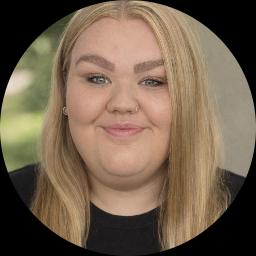
Sarah Moyer is a Licensed Clinical Social Worker practicing in New York. She helps people facing addictions, depression, grief, eating concerns, and LGBT-related stress. She also supports individuals dealing with codependency, body image struggles, attachment issues, and problems with control or commitment.
Sarah keeps sessions warm and straightforward. She focuses on practical steps people can use between appointments. She mixes creative techniques with everyday tools so therapy fits each person’s life and goals.
Sarah has over six years of experience in substance abuse and mental health counseling. She earned a Master of Social Work from Stony Brook University and holds the LCSW credential. That background informs a pragmatic approach to common struggles like substance use and persistent low mood.
Her work draws on a range of evidence-based therapeutic techniques. She uses ideas from Cognitive Behavioral Therapy, Dialectical Behavioral Therapy, Acceptance and Commitment Therapy, Family Systems Therapy, and holistic methods as needed. The focus is on choosing the right tools for each person rather than one fixed method.
Sarah aims to be a steady presence when things feel heavy. She encourages clients to both challenge unhelpful patterns and accept what they cannot control. The goal is steady, manageable change and better day-to-day functioning.
How evidence-based approaches guide online work
Sarah uses a few well-known, evidence-based approaches and explains them in simple terms. Cognitive Behavioral Therapy helps people notice and change unhelpful thoughts and behaviors. It is often used for depression, anxiety, eating concerns, and substance use issues.Dialectical Behavioral Therapy focuses on emotional regulation and building coping skills. It can be useful for intense emotions, relationship struggles, and problems with impulse control. Acceptance and Commitment Therapy helps people clarify values and take action toward them while accepting difficult feelings. This approach supports work on codependency, guilt, and life changes.
Finding the right approach is part of the therapy process. The therapist collaborates with each person to pick techniques that match their goals and preferences. That means trying different tools together and adjusting the plan as progress is made.
For practical matters, confirm the session formats before booking since the biography does not list specific options. Online therapy can help fit sessions into a busy schedule, reduce travel time, and make it easier to keep regular appointments. It also allows for adjustments like shorter check-ins or audio-only meetings when that better suits a person’s routine.
Areas of expertise
Primary focus
Additional focus areas
Experience
6+ years
Credentials
New York
Languages
English
Frequently asked questions
What concerns does Sarah commonly address?
She supports people with addictions, depression, grief, and eating-related issues. Additional focuses include codependency, body image, attachment concerns, and related struggles.
How would you describe her therapy style?
She offers a warm, down-to-earth style and uses creative, practical techniques. Sessions emphasize tools you can try between meetings.
How much clinical experience does she have?
She has over six years working in substance abuse and mental health counseling.
What are her credentials and practice location?
She is a Licensed Clinical Social Worker, LCSW, practicing in New York.
Which languages are services offered in?
Sessions are offered in English.
Can international clients work with her?
International clients are not currently accepted.
How are sessions charged and what is the payment model?
Cost varies with location and therapist availability; sessions use a subscription that can be canceled at any time.
What steps do I take to begin therapy?
Select the Start Therapy button, complete a short matching questionnaire, and schedule according to therapist availability.
Profile details come from information the therapist supplied to BetterHelp. Credential and registration rules differ between the United States, the United Kingdom and Australia.