- Client-focused approach
- Practical strategies
- Values-based work
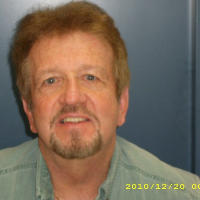
About Ronald
Ronald Moesta is an LMSW who helps people facing stress, anxiety, addictions, relationship strain, family challenges, and depression. He also pays attention to concerns like codependency, attachment and abandonment issues, blended family stress, and problems with communication and control.
He approaches work in a straightforward, person-focused way. He aims to build a strong relationship with each client and sees that connection as central to progress. Sessions focus on clear goals, practical steps, and the client’s own values and choices.
Ronald uses a mix of methods depending on the situation. He draws from cognitive behavioral work to address unhelpful thinking and behavior patterns. He also uses acceptance and commitment ideas and mindfulness to help people notice feelings and move toward what matters to them. Motivational interviewing is used when people want to change habits tied to substance use or other addictive patterns.
Clients can expect a calm, respectful tone and a focus on realistic change. Conversations often include skill practice, goal setting, and finding ways to stay motivated between sessions. The emphasis is on building strengths and steady progress rather than quick fixes.
Ronald brings five years of recent practice as an LMSW in Michigan. He speaks English and blends practical techniques with listening and collaboration to help people navigate complicated emotional and relationship problems.
How therapeutic approaches guide online care
Ronald often uses cognitive behavioral therapy to help people identify and change unhelpful thoughts and behaviors. CBT tends to focus on skills you can practice between sessions to reduce anxiety, manage mood, or break cycles tied to addiction.He also draws on acceptance and commitment therapy, which helps people notice difficult feelings without getting stuck and then move toward the life they value. Motivational interviewing is another tool he uses for people facing ambivalence about change; it focuses on clarifying personal reasons for change and building commitment.
Finding the right approach is a collaborative process. The therapist will work with each person to decide which methods fit their goals and preferences. That may mean trying different techniques and adjusting as needed so work in sessions feels useful and manageable.
Session formats are not specified in the biography, so confirm current options before booking. Online therapy can make it easier to fit sessions into a busy life, reduce travel time, and allow for shorter check-ins when needed. It also supports using real-life situations as material for therapy, since conversations can be scheduled around everyday routines.
Areas of expertise
Primary focus
Additional focus areas
Therapeutic approaches
Experience
5+ years
Credentials
Michigan
Languages
English
Frequently asked questions
What kinds of concerns does Ronald address?
He works with stress, anxiety, addictions, relationship and family issues, and depression. He also focuses on codependency, attachment and abandonment concerns and related problems like communication and control.
What is his general approach in therapy?
He centers the relationship with the person first and uses practical, goal-oriented methods. Sessions blend listening with concrete tools for changing thoughts, habits, and behavior.
How much experience does he have?
He lists five years of recent experience as an LMSW. That experience informs his use of several common therapeutic approaches.
What are his credentials and where is he located?
He holds the LMSW credential and practices in Michigan. The profile uses the exact credential provided.
In which languages can sessions be conducted?
Sessions are offered in English.
Can people outside the United States work with him?
He does not accept international clients at this time.
How are costs handled for sessions?
Cost varies with location and therapist availability; sessions use a subscription that can be canceled at any time.
How do I begin if I want to see him?
Use the Start Therapy button, complete a short matching questionnaire, and then schedule according to the therapist's availability.
Profile details come from information the therapist supplied to BetterHelp. Credential and registration rules differ between the United States, the United Kingdom and Australia.