- Warm and direct
- Practical tools
- Whole-person view
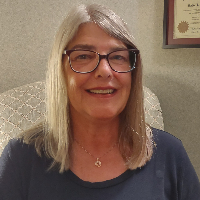
About Robin
Robin Marraccini, LISW, offers a calm, straightforward space for people feeling overwhelmed by major life shifts. She listens first and asks what brought someone to therapy. Sessions focus on practical tools that help a person move forward and feel better in day-to-day life.
Robin brings 20 years as a Licensed Independent Social Worker. She uses a mix of approaches chosen to fit each person's needs. Her style is warm and relaxed, and she will address hard issues directly when necessary.
She takes a whole-person view and looks at physical, mental, emotional, and spiritual factors that affect wellbeing. Therapy is structured but flexible, with plans tailored to what a person wants to change. Techniques include cognitive-based work, narrative and rational-emotive ideas among others.
Robin has worked with people facing life transitions like divorce and aging, as well as anxiety, depression, grief, trauma, and relationship and parenting concerns. She also addresses topics such as adoption and foster care, caregiver stress, chronic illness, and codependency.
In sessions she aims to listen, share observations, and help clients find practical steps to reach their goals. The focus is often on clearer choices and habits that support healthier routines. She invites potential clients to take part in that collaborative process.
How core approaches guide online work
Attachment-Based Therapy looks at how early connections shape current relationships and emotional responses. It helps people learn new ways to feel and stay connected in close relationships and to understand patterns that cause distress.Client-Centered Therapy focuses on the person's own experience and priorities. The therapist listens attentively, reflects what is said, and helps the client find their own solutions to personal challenges.
Cognitive Behavioral Therapy (CBT) helps identify unhelpful thoughts and habits and replaces them with more helpful ones. It is often useful for anxiety, depression, and for managing daily stressors.
Finding the right approach is part of the work. The therapist and client decide together which methods fit best based on needs, goals, and preferences. That collaborative process includes trying tools, reviewing what helps, and adjusting the plan over time.
Online therapy can make it easier to fit sessions into a busy life by cutting travel time and allowing meetings from different locations. It can also allow shorter check-ins or appointments that work around work and family schedules. Confirm the specific session formats offered before booking so you know how sessions will be conducted and which options best match your routine.
Areas of expertise
Primary focus
Also works with
Additional focus areas
Therapeutic approaches
Experience
20+ years
Credentials
Ohio
Languages
English
Frequently asked questions
What concerns does Robin commonly help with?
Areas include stress, anxiety, grief, depression, trauma, relationship and intimacy-related issues, parenting, career concerns, and codependency among others.
How would you describe the therapy style and approach?
Sessions are warm and laid back but can be direct when needed. Robin structures therapy to match each person's needs and uses practical tools to support change.
What kind of experience does the therapist have?
Robin has 20 years of experience working as a Licensed Independent Social Worker with a range of life transition, mental health, and relational concerns.
Where is Robin licensed and based?
She holds an Ohio Licensed Independent Social Worker credential and practices in Ohio.
Are sessions offered in other languages or internationally?
Sessions are offered in English and international clients are not accepted at this time.
What session formats are available?
Please confirm current session options before booking so you know which formats are offered for meetings and scheduling.
How is cost handled for therapy?
Fees vary with location and therapist availability and sessions use a subscription that can be canceled at any time.
What are the first steps to begin therapy?
Use the Start Therapy button, complete the short matching questionnaire, and then schedule sessions according to the therapist's availability.
Profile details come from information the therapist supplied to BetterHelp. Credential and registration rules differ between the United States, the United Kingdom and Australia.