- Focused empathy
- Practical skills
- Strengths based
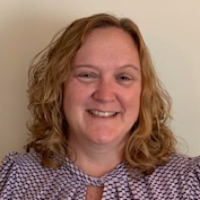
About Renee
Renee DeVuyst is a licensed mental health counselor who centers her work on a person-centered approach. She emphasizes empathy, genuineness, and unconditional positive regard to help people feel understood as they talk through hard things. Renee draws on 18 years of clinical experience in New York and adapts methods to each person's needs.
She uses motivational interviewing and strength-based ideas to build motivation for change. Cognitive behavioral techniques are added when they will help clarify thoughts and develop practical coping steps. Renee aims to be engaged in sessions - she listens, reflects, and gently challenges inconsistencies to support self-awareness.
Her background includes work with people managing grief, anxiety, stress, trauma, domestic violence, sexual abuse, and substance-related concerns. She has also provided treatment related to process and sex addictions and has experience with perpetrators of sexual and domestic violence in treatment settings. Renee lists codependency, caregiver stress, and compassion fatigue among areas she addresses.
Renee earned a master's degree in Counselor Education from SUNY Brockport and holds National Board for Certified Counselors recognition from 2003 and New York state LMHC licensure from 2006. Her clinical style is practical and down-to-earth, aimed at helping people build tools they can use day to day.
She communicates in English and has worked across multiple communication platforms. Prospective clients are invited to consider whether her plain, engaged style fits their needs before beginning work together.
How her approaches translate to online work
Client-centered therapy focuses on understanding each person's experience and showing empathy. Online sessions can follow this same path by giving space for people to explain what matters to them and receive reflective feedback that builds self-awareness and trust.Cognitive behavioral therapy is about spotting unhelpful thoughts and trying different actions to change outcomes. In remote sessions CBT techniques can be taught, practiced, and reviewed just like in person to help with anxiety, depression, or habits related to addiction and codependency.
Finding the right approach is part of the work. The therapist will talk with each person about goals and preferences and then suggest which methods might fit best. That choice is collaborative and can change over time as needs shift.
If you are considering online sessions, confirm the current session options before booking. Many people appreciate online work because it can be easier to schedule around daily obligations, allow shorter check-ins when needed, and remove travel time. These practical benefits often make it simpler to use therapy consistently while juggling work, caregiving, and other life demands.
Areas of expertise
Also works with
Additional focus areas
Therapeutic approaches
Experience
18+ years
Credentials
New York
Languages
English
Frequently asked questions
What concerns does she help with?
She works with a wide range of issues including stress, anxiety, addictions, depression, trauma, grief, codependency, and caregiver stress.
What is her therapeutic style like?
Her style is person-centered and engaged, using empathy and genuineness while also offering gentle challenge and practical strategies.
How much clinical experience does she have?
She has 18 years of experience working with mental health and substance use concerns in New York.
What credentials and location should I know about?
She is a Licensed Mental Health Counselor (LMHC) practicing in New York with a master's degree in Counselor Education from SUNY Brockport.
Which languages are supported for sessions?
Sessions are offered in English.
Can people outside the U.S. work with her?
International clients are not currently accepted.
How does payment and cost work?
Cost varies with location and therapist availability; sessions use a subscription that can be canceled at any time.
How do I get started if I want to work together?
Use the Start Therapy button, complete a short matching questionnaire, and then schedule according to therapist availability.
Profile details come from information the therapist supplied to BetterHelp. Credential and registration rules differ between the United States, the United Kingdom and Australia.