- Client-centered care
- CBT tools
- Mindfulness skills
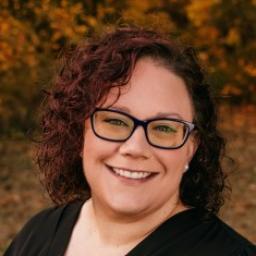
About Rachel
Rachel Green is a licensed professional clinical counselor (LPCC) based in Ohio. She focuses on stress, anxiety, depression, grief, addictions, relationship and intimacy concerns, and codependency among other issues. Rachel aims to help people who feel stuck regain a sense of control and direction.
She uses clear, practical methods in sessions and pays attention to what each person needs right now. Rachel draws on Client-Centered Therapy to make room for each person's experience and on Cognitive Behavioral Therapy to identify unhelpful thinking and behavior patterns. She also uses elements of Dialectical Behavior Therapy and mindfulness to help with emotion regulation and distress tolerance.
Her background includes work in pediatric behavioral health, individual therapy, family therapy settings, and crisis intervention over eight years. She has experience supporting parents who want more effective parenting techniques and stronger parent-child connections. Her training has included several evidence-based approaches and tools that inform how she works in session.
Rachel emphasizes building a collaborative relationship so clients can name goals and try practical steps between visits. Sessions are focused and goal-minded, with space to process pain, grief, or complicated feelings. People come away with specific skills they can use in day-to-day life.
She helps clients address related concerns such as attachment and abandonment issues, body image, caregiver stress, communication problems, eating and substance-related issues, and coping with life changes. Her approach aims to help people develop their own solutions and move toward clearer, more manageable next steps.
How Rachel Uses Talk Therapy Techniques Online
Client-Centered Therapy focuses on listening and reflecting so people feel heard and can explore what matters most. It helps when someone needs space to make sense of feelings and to set personal goals. Cognitive Behavioral Therapy (CBT) looks at how thoughts, feelings, and actions connect and uses practical exercises to change patterns that get in the way. CBT is often used for anxiety, depression, and stress-related problems. Dialectical Behavior Therapy (DBT) teaches skills for managing strong emotions, tolerating distress, and improving communication, which can help with mood swings, intense reactions, and relationship strain.Finding the right approach is part of the work. Rachel will collaborate with each person to decide which methods fit their needs and goals. She adjusts strategies over time so sessions stay relevant to what is happening in someone’s life.
The original biography does not list specific online session formats, so confirm available options before booking. In general, online therapy can make it easier to fit appointments into a busy week and reduce travel time. It also lets people use video or phone options when that helps them focus, or choose shorter check-ins when time is limited. Licensed professionals can combine talk, skill practice, and simple between-session tasks in virtual appointments to help clients try new ways of coping in daily life.
Areas of expertise
Primary focus
Also works with
Additional focus areas
Therapeutic approaches
Experience
8+ years
Credentials
Ohio
Languages
English
Frequently asked questions
What concerns does Rachel commonly help with?
She supports people dealing with stress, anxiety, depression, grief, trauma and abuse, addictions, relationship and intimacy issues, codependency, parenting challenges, and related problems.
How would you describe her therapeutic style?
Rachel uses a practical, collaborative style that blends client-centered listening with goal-focused techniques from CBT, DBT, and mindfulness.
What is her clinical background and experience?
She has eight years of experience including pediatric behavioral health, individual therapy, family therapy settings, and crisis intervention.
What credentials and location information are available?
Rachel holds the credential LPCC and practices in Ohio as an OH LPCC.
Which languages are supported for sessions?
Sessions are offered in English.
Do you need to confirm session formats before booking?
Yes. The biography does not list specific session formats, so confirm current session options before scheduling.
How are costs handled for ongoing sessions?
Cost varies with location and therapist availability, and sessions use a subscription that can be canceled at any time.
What steps should I take to get started?
Select the Start Therapy button, complete the short matching questionnaire, and schedule according to therapist availability.
Profile details come from information the therapist supplied to BetterHelp. Credential and registration rules differ between the United States, the United Kingdom and Australia.