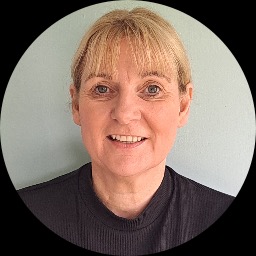
- NCPS counsellor
- 10 years experience
- Codependency focus
About Pauline
Pauline Banks is a counsellor with NCPS and more than ten years of professional experience in the United Kingdom. She works with people facing relationship strain, family conflict, trauma and abuse, and parenting challenges. Pauline speaks plainly and aims to make the first steps feel manageable for someone unsure about therapy.
She believes each person knows their story best and brings strengths to the work. Sessions focus on helping people use those strengths to deal with overwhelm, stress, anxiety, low self-esteem, grief and addiction. She also addresses concerns such as codependency, attachment issues and communication problems.
Pauline draws on approaches that help people understand patterns and learn new ways of coping. Those include Attachment-Based Therapy, Client-Centred Therapy, Cognitive Behavioural Therapy and practical skills from Dialectical Behaviour Therapy. She also uses Eye Movement Desensitisation and Reprocessing when trauma memories are a focus.
In practice she aims for clear, steady conversations and simple tools people can try between meetings. The work may include talking through relationship patterns, breaking down anxious thoughts, and rehearsing different responses to stressful situations.
People can expect a collaborative pace. Pauline encourages carers and parents to describe real-life moments that cause strain so they can be untangled together. She welcomes those who feel nervous about starting and aims to make the first sessions as straightforward as possible.
How Pauline adapts attachment and CBT work online
Pauline uses Attachment-Based ideas to look at how past relationships shape current patterns. That approach focuses on how people connect, how trust develops and how old hurts can affect present relationships. It can help people who feel stuck in repeating relationship behaviours.She also uses Cognitive Behavioural Therapy (CBT) to break down unhelpful thoughts and build practical coping steps. CBT is about spotting common thinking traps, testing them and trying small experiments to change feelings and behaviour. These approaches are designed to be practical and collaborative, and Pauline will work with each person to decide which methods fit their goals and situation.
Finding the right approach is part of the work. The therapist will talk with the person about their needs and preferences, then agree a plan together. This collaborative decision-making helps tailor sessions to what matters most for day-to-day life.
Session arrangements should be confirmed before booking as formats are not specified here. Online therapy can make it easier to fit meetings around work and family time, reduce travel, and allow shorter check-ins when schedules are tight. Ask about current session options to pick what will fit best.
Areas of expertise
Primary focus
Also works with
Additional focus areas
Therapeutic approaches
Experience
10+ years
Credentials
Listed on profile
Languages
English
Frequently asked questions
What kinds of problems does she help with?
She supports people with relationship issues, family conflict, trauma and abuse, parenting worries, stress, anxiety, addictions, grief and low self-esteem among other concerns.
How would you describe her therapeutic style?
Her style is collaborative and straightforward, combining attachment work with client-centred listening and practical skills to address unhelpful patterns and manage strong emotions.
What experience does she bring to sessions?
She has more than ten years of professional work in the United Kingdom supporting people with complex relationship and trauma-related issues.
What are her credentials and where is she based?
She is registered with NCPS and works in the United Kingdom.
Which languages are supported?
Sessions are offered in English.
Can people from other countries work with her?
She does not take international clients at this time.
How does pricing and payment work?
Cost varies with location and therapist availability; sessions use a subscription model that can be cancelled at any time.
What do I do to begin therapy?
Use the Start Therapy button, complete a short matching questionnaire, and then schedule sessions according to the therapist's availability.
Profile details come from information the therapist supplied to BetterHelp. Credential and registration rules differ between the United States, the United Kingdom and Australia.