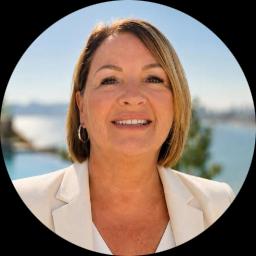
- Integrative counselling
- BSL and SSE aware
- Focus on codependency
About Paula
Paula Appleton is a counsellor based in the United Kingdom with 14 years of practice. She holds BACP and NCPS credentials and uses an integrative style that adapts to each person's needs. Paula mentions experience supporting Deaf and hard-of-hearing clients and works with British Sign Language and Signed Supported English at appropriate levels.
She aims to help people who are dealing with stress, anxiety, loss and trauma. Paula also supports those facing addiction, relationship difficulties, eating and sleeping struggles, low self-esteem and life transitions. Codependency and attachment issues are among the specific concerns she lists.
Her day-to-day approach uses a mix of evidence-informed methods. That includes Acceptance and Commitment Therapy, cognitive techniques, emotion-focused work and client-centred listening. Dialectical Behaviour Therapy and attachment-based ideas may also shape sessions when helpful.
Paula describes counselling as a place to pause and focus on wellbeing. Sessions give time to talk about what is happening and to try practical ways to manage feelings and behaviour. She explains things plainly and tailors tools to each person’s situation.
She also highlights accessible communication for Deaf and hard-of-hearing people, noting ability with Signed Supported English and British Sign Language at NVQ Level 6. This supports clearer conversations about symptoms, coping and longer-term goals.
How her approaches can work online
Acceptance and Commitment Therapy (ACT) focuses on identifying values and taking small steps towards them while learning to accept difficult thoughts and feelings. It can help when worry, low mood or codependency make it hard to move forward. Cognitive Behavioral Therapy (CBT) looks at patterns of thought and behaviour and offers practical strategies to change unhelpful cycles, which many people find useful for anxiety, depression and sleep problems. Attachment-Based Therapy pays attention to how early relationships shape current trust and intimacy, and is useful for people exploring abandonment, attachment issues and relationship-related distress.Finding the right approach is part of the work itself. Paula will collaborate with each person to decide which methods fit their goals and preferences. That choice can change as the work progresses, and sessions can mix techniques from different approaches as needed.
The biography does not list specific session formats, so confirm current options before booking. Online work can make it easier to fit therapy into a busy week, reduce travel time and allow shorter check-ins when needed. It can also allow use of worksheets and practical exercises between meetings, helping people practise skills in day-to-day life.
Areas of expertise
Primary focus
Also works with
Additional focus areas
Therapeutic approaches
Experience
14+ years
Credentials
Listed on profile
Languages
English, American Sign Language
Frequently asked questions
What concerns does Paula help with?
She works with a wide range of issues including stress, anxiety, depression, trauma and addictions, plus relationship and intimacy-related difficulties and codependency.
How would she describe her therapy style?
Her style is integrative and practical, combining client-centred listening with techniques from CBT, ACT, DBT and emotionally focused work to meet each person's needs.
What experience does she bring?
Paula has 14 years of experience working with individuals across many presenting problems and draws on a variety of therapeutic approaches in her practice.
What credentials and region apply to her practice?
She is listed with BACP and NCPS and is based in the United Kingdom.
Which languages are supported during sessions?
Sessions are offered in English, and she can communicate with Deaf and hard-of-hearing clients using American Sign Language and Signed Supported English/British Sign Language skills as noted.
What session formats are available?
The original biography does not specify session formats; please confirm current session options with the service before booking.
How are costs and payments handled?
Costs vary by location and therapist availability; sessions use a subscription model that can be cancelled at any time.
How do I begin working with Paula?
Use the Start Therapy button, complete a short matching questionnaire, and schedule a session according to the therapist's availability.
Profile details come from information the therapist supplied to BetterHelp. Credential and registration rules differ between the United States, the United Kingdom and Australia.