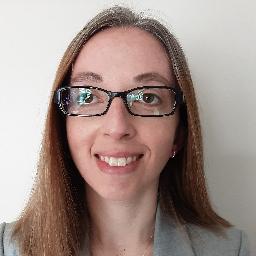
- Warm empathic approach
- Practical skill building
- Focus on attachment
About Patricia
Patricia Uhan is a licensed professional counselor who helps people dealing with stress, anxiety, trauma, low self-esteem, anger, and depression. She works with people who feel stuck by patterns like codependency or attachment wounds and with those facing the long shadow of past abuse. Patricia writes in a direct, compassionate way and aims to make therapy feel approachable and practical.
She brings four years of clinical experience in community mental health and related settings. That work included helping survivors of sexual abuse or assault and supporting people with PTSD, substance use concerns, and co-occurring mental health conditions. Patricia has also supported people with severe and persistent mental illness and dual diagnoses in diverse communities.
Her style is warm and empathetic. She adapts her method to each person’s needs and goals, drawing from cognitive behavioral approaches, attachment-based ideas, acceptance and commitment principles, client-centered work, and dialectical behavior tools. Sessions focus on what a person wants to change and on building skills to manage intense feelings and improve relationships.
Patricia pays attention to cultural identity and life context when planning care. She aims to help people notice unhelpful patterns, try different ways of responding, and practice new skills between sessions. The goal is clearer self-understanding and more workable choices in everyday life.
To begin, she asks people to share what matters most to them and then works collaboratively to set practical steps forward.
How her approaches translate to online work
Patricia uses cognitive behavioral techniques to help people identify unhelpful thoughts and try different behaviors. CBT often focuses on short-term goals and practical exercises to reduce anxiety and improve mood.She also draws on attachment-based therapy to look at how early relationships shape current patterns. That work helps people understand connection and codependency patterns and experiment with new ways of relating.
Finding the right approach is part of therapy. Patricia will work with each person to decide which methods suit their situation and goals. That choice is collaborative and may change as work progresses.
Session logistics and formats are not listed in the original biography, so confirm the current online options before booking. Online work can make it easier to fit sessions into a busy week, shorten travel time, and allow check-ins during a break or from a quieter location. It can also let someone focus on skills practice between meetings without needing extra time to commute.
Areas of expertise
Primary focus
Additional focus areas
Therapeutic approaches
Experience
4+ years
Credentials
Missouri, Florida
Languages
English
Frequently asked questions
What concerns does Patricia commonly help with?
She works with stress, anxiety, trauma and abuse, anger, low self-esteem, and depression, and addresses related areas such as codependency and attachment issues.
What is her therapeutic style like?
The approach is warm and empathetic, with an emphasis on practical skills and collaborative goal setting tailored to each person’s needs.
What kind of clinical background does she have?
She has four years of experience that include community mental health work with survivors of sexual abuse or assault and with people facing PTSD, substance use, and complex mental health needs.
Which credentials and location apply to this therapist?
She holds LPC and LMHC credentials and practices in Missouri.
In which language are sessions offered?
Sessions are offered in English and international clients are not currently accepted.
What session formats are available?
The original biography does not list specific session formats; please confirm current session options before booking.
How does pricing work for sessions?
Cost varies with location and therapist availability; sessions use a subscription that can be canceled at any time.
How do I begin working with Patricia?
Click the Start Therapy button, complete a short matching questionnaire, and schedule according to the therapist’s availability.
Profile details come from information the therapist supplied to BetterHelp. Credential and registration rules differ between the United States, the United Kingdom and Australia.