- Client-centered care
- Goal-focused tools
- Support for transitions
About Patricia
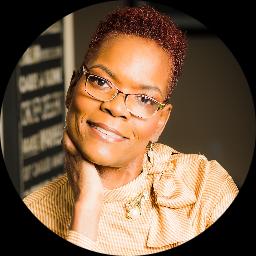
Patricia "Trish" West is a licensed clinical social worker in North Carolina with 19 years of experience. She helps people who are feeling overwhelmed by stress, anxiety, low self-esteem, depression, or major life changes. Trish aims to create an open, nonjudgmental space where people can name what they are feeling and start to find clearer steps forward.
Her approach is straightforward and practical. Trish listens first, then works with each person to set realistic goals and small, manageable changes. She uses ideas from client-centered therapy to keep the focus on the person's needs, and draws on cognitive behavioral tools to address unhelpful thinking patterns that fuel anxiety or depression.
Trish also uses motivational interviewing to help people find their own reasons for change and to build momentum. Narrative and psychodynamic approaches come into play when past stories or relationship patterns are getting in the way of current wellbeing. These methods help people understand why they repeat certain patterns and how to try new ways of relating.
She has supported people through grief, parenting challenges, relationship strain, caregiving stress, addiction concerns, and issues like codependency and attachment wounds. Trish makes space for practical problem solving alongside emotional work so people can feel steadier in daily life.
To begin, she invites clients to name what matters most and to take one small step toward it. The work is paced to each person’s needs, and sessions focus on honest conversation, clearer thinking, and usable next steps.
How her approaches guide online sessions
Trish uses client-centered therapy to keep sessions focused on what each person needs most; she listens, reflects, and follows the client’s pace so goals come from the person's own priorities. Cognitive behavioral therapy is used to identify the thoughts and behaviors that keep stress and anxiety active and to try concrete techniques to change them.Finding the right approach is part of the work. Trish partners with people to decide which methods fit best based on their goals and preferences. That choice can shift over time as progress and needs change, and she checks in regularly to adjust the plan together.
Session formats are not specified in the biography, so confirm current options before booking. Online therapy can help fit sessions into a busy schedule, reduce travel time, and make it easier to follow through on short weekly check-ins or homework between meetings. It can also allow quieter, focused conversations or shorter problem-solving sessions when that matches someone's needs.
Areas of expertise
Also works with
Additional focus areas
Therapeutic approaches
Experience
19+ years
Credentials
North Carolina
Languages
English
Frequently asked questions
What concerns does this therapist address?
She works with stress, anxiety, trauma and abuse, self esteem, depression, coping with life changes, LGBT concerns, relationship and family issues, grief, parenting, anger, career, bipolar, coaching, compassion fatigue, and ADHD, plus related areas like codependency and attachment issues.
What is her therapy style like?
The style is warm and practical. Trish listens first, then helps set clear goals and small, doable steps to change unhelpful patterns.
How much experience does she have?
She brings 19 years of professional experience working with a wide range of concerns including trauma, grief, and caregiving stress.
What are her credentials and where is she based?
She holds an LCSW credential and is licensed in North Carolina.
Which languages are supported?
Sessions are offered in English.
Are international clients accepted?
International clients are not currently accepted.
How does billing and cost work?
Cost varies with location and therapist availability; sessions use a subscription that can be canceled at any time.
What do I do to get started?
Use the Start Therapy button, complete a short matching questionnaire, and schedule according to the therapist's availability.
Profile details come from information the therapist supplied to BetterHelp. Credential and registration rules differ between the United States, the United Kingdom and Australia.