- Client-centered care
- Trauma-informed tools
- Focus on meaning
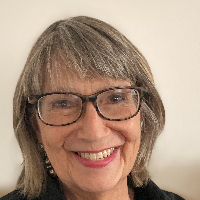
About Patricia
Patricia Manning is a Licensed Professional Counselor (LPC) who helps people facing stress, anxiety, grief, family challenges, and trauma. She speaks plainly and aims to be a steady presence for people who feel overwhelmed or unsure where to start. Patricia encourages honest conversation and practical steps forward.
She draws on more than a decade of clinical work that began while studying psychology at Wofford College. Early roles included work with children and families affected by violence, child protection, permanency planning, and adoption work. That experience continued in foster care, residential treatment, psychiatric hospitals, alternative schools, and a shelter serving people impacted by domestic violence and sexual assault.
Patricia returned to school to earn a Master of Arts in Mental Health Counseling in 2008 from Webster University. Since then she has used a client-centered approach and a set of evidence-based methods to address trauma, relationship strain, parenting stress, and other life transitions. Sessions focus on practical coping skills and clearer self-understanding.
Her work is informed by existential ideas about meaning, loss, responsibility, and growth. She also considers each person’s life context including biology, culture, gender identity, and economic factors when planning care. Patricia aims to balance support with challenge so people can stop self-sabotaging and begin trying new ways of living.
She often helps people process trauma, explore attachment and family patterns, and build tools for emotion regulation. Her goal is for clients to leave therapy with usable skills and a stronger sense of purpose.
How therapy approaches translate to online care
Attachment-Based Therapy focuses on patterns in close relationships. It looks at how early bonds shape trust and intimacy and helps people recognize and change repeating patterns that cause pain. Cognitive Behavioral Therapy, or CBT, focuses on how thoughts, feelings, and behaviors interact. It helps people test unhelpful thoughts and build practical skills for anxiety, depression, and stress.Finding the right approach is part of the work. The therapist will collaborate with each person to choose methods that fit their goals and preferences. That may mean trying a short skills-based plan, moving into trauma processing, or mixing approaches over time.
The therapist's biography does not list specific online session formats, so please confirm available options before booking. Online therapy can make it easier to fit sessions into a busy life, reduce travel time, allow quick check-ins during the week, and let people do focused skill practice between meetings. It can also make it simpler to attend when life circumstances make in-person visits difficult. Licensed professionals and therapists adapt therapy methods to work well at a distance and to match each person's needs and schedule.
Areas of expertise
Primary focus
Also works with
Additional focus areas
Therapeutic approaches
Experience
11+ years
Credentials
South Carolina, Oregon
Languages
English
Frequently asked questions
What concerns does Patricia commonly help with?
She works with stress, anxiety, depression, trauma and abuse, grief, relationship and intimacy issues, parenting concerns, ADHD, codependency, and related life changes.
What is her therapeutic style like?
She uses a client-centered style that blends practical skills with deeper exploration of meaning and values. Sessions are conversational and aim to balance support with constructive challenge.
How much clinical experience does she have?
Patricia has 11 years of experience and many earlier years working with children and families in protective and residential settings.
What credentials and region are listed for this clinician?
She is a Licensed Professional Counselor, LPC, with licensure noted as SC LPC and OR LPC, and her practice is listed in Oregon.
In what language are sessions conducted?
Sessions are offered in English and she is not accepting international clients.
Which session formats are available?
The original biography does not specify session formats; please confirm current session options before booking.
How are fees and payment handled?
Cost varies with location and therapist availability; sessions use a subscription that can be canceled at any time.
What are the first steps to begin working together?
Use the Start Therapy button, complete a short matching questionnaire, and schedule according to the therapist's availability.
Profile details come from information the therapist supplied to BetterHelp. Credential and registration rules differ between the United States, the United Kingdom and Australia.