- Focus on relationships
- Values-based change
- Skill building
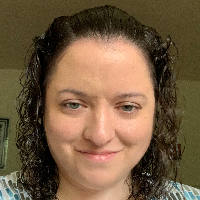
About Pamela
Pamela English is a Licensed Professional Counselor (LPC) based in Connecticut who helps people facing stress, anxiety, depression, trauma, and relationship struggles. She uses straightforward, practical methods to help clients understand patterns that cause pain and to build healthier ways of coping. Sessions aim to be calm and focused on what matters most to each person.
Pamela pays attention to how past relationships and attachment patterns shape current behavior. She helps people name painful patterns like codependency, control issues, or avoidance, and then practices new ways of relating and communicating. Work often includes learning simple skills to manage intense feelings and reduce reactivity.
Her approach blends cognitive behavioral ideas with emotion-focused techniques. That means clients look at unhelpful thoughts, notice emotional responses, and try small behavioral changes between sessions. Pamela uses Acceptance and Commitment Therapy principles to clarify values and take steps toward a life that feels meaningful.
Sessions are intended to be collaborative and paced to each person’s needs. The therapist emphasizes building self-compassion, clearer communication, and stronger boundaries. Practical homework and real-world practice are common parts of the process.
Pamela has five years of clinical experience and holds a Connecticut LPC credential. She offers services in English and accepts international clients. Before booking, readers should confirm session formats and scheduling details to match their needs.
How Pamela adapts therapeutic approaches for online work
Pamela draws on Acceptance and Commitment Therapy and Attachment-Based Therapy to guide online work. Acceptance and Commitment Therapy helps people clarify what matters to them, accept difficult feelings, and take small steps toward chosen values. This approach is useful for anxiety, depression, and motivation struggles. Attachment-Based Therapy focuses on how early relationship patterns affect current connections and helps people try new ways of relating and communicating, which can ease relationship and intimacy-related stress.Finding the right approach is a collaborative process. Pamela will talk with each person about their goals, preferences, and what has or hasn’t worked in the past. Together they decide which methods to emphasize and adjust the plan as progress unfolds.
For practical matters, confirm available session formats before booking since the profile does not list them. Online work can make it easier to fit sessions into a busy week, reduce travel time, and allow for a quicker check-in during a lunch break. Some approaches lend themselves to skills practice and homework that fit naturally into daily routines, making progress feel manageable between sessions. If you have questions about scheduling or session length, check the listing or ask when you complete the matching questionnaire.
Areas of expertise
Primary focus
Also works with
Additional focus areas
Therapeutic approaches
Experience
5+ years
Credentials
Connecticut
Languages
English
Frequently asked questions
What concerns does Pamela commonly help with?
She works with stress, anxiety, depression, trauma and abuse, and relationship or intimacy-related issues. Additional areas include codependency, eating and body image concerns, addictions, grief, ADHD, and self-esteem challenges.
How would you describe her therapeutic style?
Her style is compassionate and practical. She blends acceptance and values work with cognitive and emotion-focused strategies to help people make clear, useful changes.
What is her clinical background?
Pamela has five years of experience working with individuals on mood, attachment, and relationship patterns. She emphasizes real-world skills and steady progress over time.
What credentials and location are listed?
She holds an LPC credential in Connecticut and practices from that state. Sessions are conducted in English.
Can people outside the U.S. work with her?
She accepts international clients. Clients should confirm any time zone or licensing considerations when scheduling.
What session formats are offered?
The original profile does not specify exact session formats. Confirm current options and formats with the service before booking to be sure they meet your needs.
How much do sessions cost?
Costs vary with location and therapist availability, and sessions use a subscription that can be canceled at any time. Check the platform or therapist listing for current pricing details.
What are the first steps to begin therapy?
Select the Start Therapy button, complete a short matching questionnaire, and schedule according to therapist availability. The questionnaire helps match goals and preferences.
Profile details come from information the therapist supplied to BetterHelp. Credential and registration rules differ between the United States, the United Kingdom and Australia.