- Goal oriented
- Warm listening
- Practical skills
About Pam
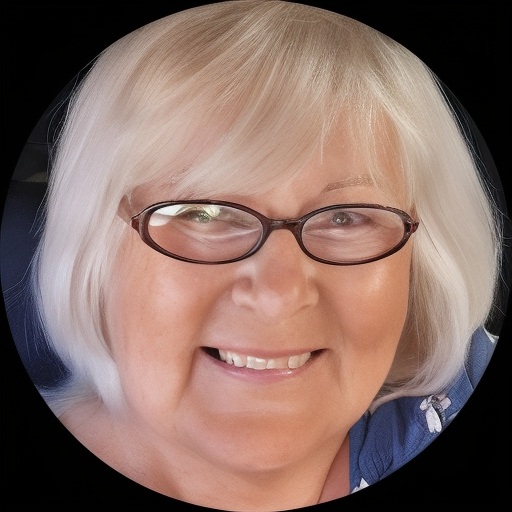
Pam Biggs-Reed is a licensed mental health counselor (LMHC) practicing in Florida. She helps people facing anxiety, depression, grief, trauma, addiction, and codependency concerns. Many clients come for help with relationship and intimacy issues, parenting stress, or major life changes. Pam aims to build a warm, trusting connection so people feel safe to talk and make changes.
With 25 years of experience, she uses practical methods that focus on what helps now. Sessions often include setting clear goals and small action steps to try between meetings. She combines client-centered listening with cognitive behavioral ideas to spot unhelpful thinking and try different responses.
Pam also draws on solution-focused and trauma-focused approaches when they fit a person's needs. That can mean short-term skill building or deeper work on past hurt that still affects daily life. She works with adults and young people and supports those dealing with addiction and family-of-origin problems.
Her style is collaborative and grounded. Pam offers straightforward feedback and helps people break big problems into manageable steps. She emphasizes developing coping skills for stress, anger, parenting challenges, and career transitions.
To begin, she asks people to identify goals and then creates a plan with clear actions. The focus is on steady progress rather than quick fixes, and on building the tools needed to handle future challenges.
Approaches that guide online therapy
Client-centered therapy focuses on listening carefully and reflecting back what matters to each person; it helps when someone needs a supportive space to sort their feelings and decide on next steps. Cognitive Behavioral Therapy, or CBT, looks at patterns of thinking and behavior and teaches concrete techniques to reduce anxiety, manage depression, and change unhelpful reactions.Finding the right approach is part of the work. Pam will collaborate with each person to choose methods that match their goals, needs, and comfort level. That means trying techniques, checking what helps, and adjusting the plan together so it fits the person's life.
Confirm current session options before booking since formats are not specified here. Online therapy can make it easier to fit sessions into a busy schedule, avoid travel time, and keep regular contact during life transitions. It also supports shorter check-ins or more focused skill practice when needed. Licensed professionals can use these remote sessions to teach coping tools, plan small changes, and track progress over time.
Areas of expertise
Primary focus
Also works with
Additional focus areas
Therapeutic approaches
Experience
25+ years
Credentials
Indiana, Florida
Languages
English
Frequently asked questions
What concerns does Pam support?
She works with anxiety, depression, trauma and abuse, grief, addictions, codependency, relationship and intimacy issues, parenting stress, ADHD, and related family concerns.
How would you describe her therapeutic style?
Her style is collaborative and straightforward, combining warm, client-centered listening with goal setting and practical skills to try between sessions.
What kind of experience does she bring?
Pam has 25 years of clinical experience helping adults, youth, and family-related concerns in a range of issues including addiction and family-of-origin problems.
What are her credentials and where is she based?
She is a licensed mental health counselor (LMHC) licensed in Indiana and Florida and is based in Florida.
Which languages are offered for sessions?
Sessions are offered in English.
Can people from other countries work with her?
She does not accept international clients at this time.
How does payment and cost work?
Cost varies with location and therapist availability and sessions use a subscription that can be canceled at any time.
What are the steps to start working together?
Click the Start Therapy button, complete a short matching questionnaire, and schedule according to the therapist's availability.
Profile details come from information the therapist supplied to BetterHelp. Credential and registration rules differ between the United States, the United Kingdom and Australia.