- Client-centered approach
- CBT and DBT methods
- Focus on codependency
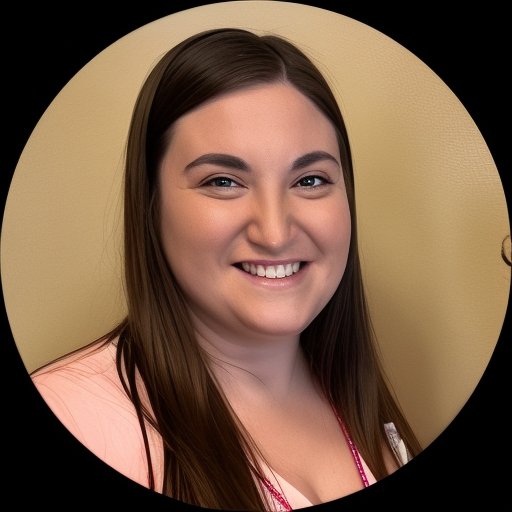
About Nicole
Nicole Rosoline, LPC, brings a client-centered approach to therapy. She focuses on listening first and shaping sessions around each person’s needs. Her style is warm and interactive and she aims to help people find more balance and clarity in daily life.
She has ten years of experience as a mental health counselor in New Jersey. That experience includes work with depression, anxiety, trauma and crisis counseling. She has supported people through relationship strain, parenting challenges, career stress, and coping with major life changes.
Nicole adapts her work using practical methods from cognitive behavioral therapy and dialectical behavior therapy alongside client-centered techniques. She uses simple, concrete steps to address problems like stress, low self-esteem, and anger. Sessions often focus on changing unhelpful patterns and building coping skills that can be used between meetings.
The therapist also pays attention to attachment and abandonment concerns, codependency, and communication problems. She works with people facing grief, bipolar mood challenges, and caregiver stress. Nicole aims to tailor the conversation and treatment plan to each person’s situation.
Her goal is to help people move toward a more fulfilling life. She encourages small, steady changes and supports clients as they try new ways of coping. If someone is ready to begin, she offers a collaborative process to set clear, manageable goals.
How therapeutic approaches shape online care
Client-centered therapy emphasizes understanding each person's perspective and building a trusting working relationship. It helps people feel heard and guides goal-setting based on their priorities.Cognitive behavioral therapy (CBT) focuses on spotting and changing unhelpful thoughts and behaviors. It is often used for anxiety, depression, stress, and coping with life changes through practical exercises and homework.
Dialectical behavior therapy (DBT) adds skills for managing intense emotions and improving communication. It can be useful for anger, mood instability, and building better interpersonal boundaries.
Finding the right approach is part of the work. The therapist will collaborate with the client to choose methods that fit their goals, needs, and preferences. That may mean blending techniques and adjusting plans as progress is made.
If you are considering online sessions, confirm the specific session formats before booking. Ask about the ways sessions are offered and any practical details you need to plan. Online therapy can make scheduling easier, reduce travel time, and help fit sessions into busy days while still using the same therapeutic methods discussed above.
Areas of expertise
Primary focus
Also works with
Additional focus areas
Therapeutic approaches
Experience
10+ years
Credentials
New Jersey
Languages
English
Frequently asked questions
What concerns does she help with?
Nicole works with stress, anxiety, depression, trauma and abuse, grief, relationship and family problems, parenting strain, career issues, and coping with life changes.
How would you describe her therapy style?
Her style is warm and interactive. She listens first and tailors sessions to each person's needs using practical, straightforward techniques.
What kind of experience does she have?
She has ten years of experience as a mental health counselor, including work in crisis counseling and supporting people with mood and relationship challenges.
What are her credentials and where is she based?
She holds the LPC credential and practices in New Jersey as an NJ LPC.
Which languages are supported for sessions?
Sessions are offered in English.
Can international clients work with her?
International clients are not currently accepted.
How are fees and payment handled?
Cost varies with location and therapist availability; sessions use a subscription that can be canceled at any time.
What steps do I take to begin therapy?
Click the Start Therapy button, complete a short matching questionnaire, and then schedule sessions according to the therapist's availability.
Profile details come from information the therapist supplied to BetterHelp. Credential and registration rules differ between the United States, the United Kingdom and Australia.