- Attachment focus
- Solution-oriented
- Speaks Arabic
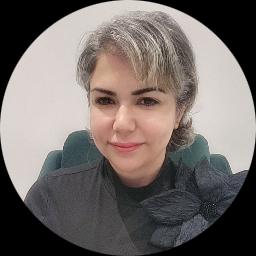
About Nagham
Nagham Alaraji is a psychodynamic counsellor registered with the BACP. She has three years of professional experience supporting people with stress, anxiety, relationship difficulties, trauma and abuse, grief and depression. She speaks English and Arabic and practises in the United Kingdom.
She aims to create an open and non-judgemental space where people can talk through difficult feelings. Sessions focus on understanding patterns that affect current life and relationships. The tone is calm and direct, helping people name what matters and what gets in the way.
Her background includes work with a range of concerns such as attachment issues, abandonment, adoption and foster care, and caregiving stress. She also addresses matters like body image, commitment worries, communication problems and codependency. This breadth helps when problems overlap across different parts of life.
Nagham draws on psychodynamic ideas to look at how past experiences shape present reactions. She combines this with attachment-based ways of thinking about relationships. Solution-focused techniques are used too, to set small practical goals between sessions.
If you are coping with loss, trauma, ongoing anxiety or strains in close relationships, she will help you break things down into manageable steps. The first meeting usually explores what you want from counselling and how to move forward together.
How her approaches translate to online therapy
Attachment-based work looks at how early relationships shape current ways of connecting with others. In an online setting this can mean gently tracing relationship patterns and trying out new ways of relating between sessions. Psychodynamic therapy focuses on understanding recurring feelings and reactions that come from past experiences; it often involves reflecting on themes that appear in the counselling conversations and bringing those into clearer view. Trauma-focused therapy aims to help people process and reduce the impact of traumatic memories and reactions by using targeted strategies that address distressing symptoms.Finding the right approach is part of the work. The therapist will talk with each person about their needs and preferences and decide together which methods to emphasise. This is a collaborative process and may change as the work progresses.
Online counselling can make it easier to fit sessions around daily life, for example reducing travel time and allowing work or caregiving breaks to include a session. It can also allow shorter check-ins when needed, or sessions without video if that feels easier. Please confirm the current session options before booking so you know what formats are available.
Areas of expertise
Primary focus
Additional focus areas
Therapeutic approaches
Experience
3+ years
Credentials
Listed on profile
Languages
English, Arabic
Frequently asked questions
What concerns does she support?
She works with stress, anxiety, relationship difficulties, trauma and abuse, grief and depression, and related issues such as codependency, attachment difficulties and caregiver stress.
How would she describe her therapeutic style?
Her work is psychodynamic in approach with attachment-based thinking and solution-focused elements to set practical steps between sessions.
What experience does she have?
She has three years of professional experience helping people with a range of emotional and relationship concerns.
What are her credentials and location?
She is registered with the British Association for Counselling and Psychotherapy (BACP) and practises in the United Kingdom.
Which languages are available for sessions?
Sessions are offered in English and Arabic.
Can I work with her from another country?
She accepts international clients, so people outside the UK can enquire about working together.
How are sessions paid for?
Costs vary with location and therapist availability; sessions use a subscription that can be cancelled at any time.
How do I begin therapy with her?
Choose the Start Therapy button, complete a short matching questionnaire, and then schedule sessions according to the therapist's availability.
Profile details come from information the therapist supplied to BetterHelp. Credential and registration rules differ between the United States, the United Kingdom and Australia.