- Person-centered care
- Skills-based tools
- Trauma-aware approach
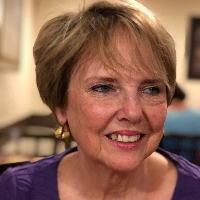
About Mary
Dr. Mary Walker is a Licensed Professional Counselor (LPC) based in Texas who helps people facing codependency and related struggles. She works with concerns such as eating and sleeping problems, addictions, grief, ADHD, bipolar mood concerns, career stress, and LGBT issues. She aims to create an atmosphere where a person can be heard and begin practical changes.
Her style is down-to-earth and person-centered. Sessions focus on what the individual needs right now. She uses clear tools from cognitive behavioral work and dialectical behavior strategies alongside exploration of life meaning and mindfulness practices.
Mary trained in counseling at the Houston Graduate School of Theology and completed a Ph.D. at Texas A&M Corpus Christi. Before counseling, she spent years as a high school art teacher and a mentor in church settings. Those roles shaped how she listens to people and notices strengths quickly.
Over a decade in the field has exposed her to many layered struggles. She has worked with people who survived childhood abuse, who cope with dissociation, and who face chronic pain or long-term health issues. She also supports people dealing with family of origin wounds, abandonment, blended family concerns, and caregiver stress.
In sessions she combines practical skill-building with chances to tell and reframe personal stories. The aim is steady progress - from clearer thinking and better routines to improved emotion regulation and more satisfying relationships. She encourages small, doable steps toward healthier patterns.
Approaches you can expect in online work
Client-centered therapy focuses on listening and making the session about the person's needs and goals. It helps people who want a supportive space to talk, notice strengths, and decide what next steps feel right. Cognitive Behavioral Therapy, or CBT, looks at patterns of thought and behavior and teaches practical tools to change unhelpful habits and reduce symptoms like anxious thinking or sleep disruption. Dialectical Behavior Therapy, often called DBT, emphasizes emotion regulation, distress tolerance, and clearer communication skills, which can help with intense emotions and relationship strain.Finding the right approach is part of the work together. The therapist will talk with the client about goals, preferences, and daily life, and then suggest which methods to try. That plan can change over time based on what helps most and what the client prefers, so the process is collaborative and flexible.
Practical benefits of online therapy include easier fitting of sessions into a busy schedule and fewer travel demands. Online work can make shorter check-ins or daytime sessions easier to arrange and may reduce disruptions to daily routines. Because session formats were not specified in the biography, confirm the available online options before booking so you know whether video, phone, or other formats are possible. A licensed professional can help shape sessions to fit work, family, and life commitments.
Areas of expertise
Primary focus
Also works with
Additional focus areas
Therapeutic approaches
Experience
10+ years
Credentials
Texas
Languages
English
Frequently asked questions
What kinds of concerns does this therapist support?
She helps with concerns such as eating and sleeping problems, addictions, grief, bipolar challenges, ADHD, career stress, and LGBT-related issues. Additional focus areas include codependency, abandonment, family of origin issues, chronic illness, and caregiver stress.
How would you describe her therapeutic style?
Her style is person-centered and practical. She blends listening with clear skill-building from cognitive and dialectical approaches and uses mindfulness and narrative work to help people reframe their stories.
What relevant experience does she bring?
She has over 10 years of clinical experience and many years prior as an art teacher and mentor, which influence how she notices strengths and connects with people across ages and backgrounds.
What are her credentials and where is she located?
She is a Licensed Professional Counselor (LPC) in Texas. Her training includes a masters degree from Houston Graduate School of Theology and a Ph.D. from Texas A&M Corpus Christi.
Which languages are supported and can international clients work together?
Sessions are offered in English, and she does accept international clients.
What session formats are available for online work?
Session formats are not specified in the biography. Please confirm current session options with the service before booking to know which formats are offered.
How does payment and cost work?
Cost varies with location and therapist availability; sessions use a subscription model that can be canceled at any time.
How do I begin if I want to work with her?
To start, select the Start Therapy button, complete a short matching questionnaire, and schedule according to therapist availability.
Profile details come from information the therapist supplied to BetterHelp. Credential and registration rules differ between the United States, the United Kingdom and Australia.