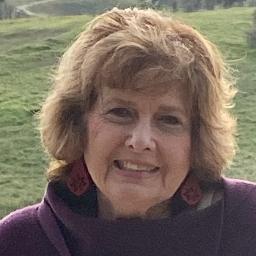
- Warm collaborative style
- Practical skills focus
- 27 years experience
About Mary
Mary Stein is a Licensed Marriage and Family Therapist (LMFT) in California who helps people facing stress, anxiety, relationship struggles, trauma, grief, depression, and addictions. She also supports those dealing with parenting strain, sleep and eating problems, codependency, and career or life transitions. Mary writes plainly and listens closely so people feel heard from the first visit.
Mary trained at Phillips Graduate Institute and has worked in private practice for over 27 years. Her background includes clinical supervision in adolescent residential programs and work in a domestic violence agency, giving her experience with a wide range of life challenges. She aims to meet people where they are and to build practical steps for change.
Her counseling style is warm, accepting, and interactive. Sessions focus on understanding what brought someone in, then choosing methods that fit the person's goals and strengths. Mary offers clear feedback and collaborates on concrete skills for coping, problem solving, and healthier patterns of relating.
Some sessions emphasize identifying unhelpful thinking and trying new behaviors. Other times the emphasis is on meaning, values, and finding purpose after a loss or major life shift. Mindfulness and emotion regulation skills are used when helpful to reduce reactivity and improve focus.
Mary describes small steps as the path to larger change. She values compassion in the work and sees therapy as a collaborative process that aims to improve daily functioning and relationships.
Therapeutic approaches and how they work online
Client-centered therapy focuses on building a respectful, collaborative relationship. The therapist follows the person's lead, reflects feelings, and helps clarify goals so sessions feel person-focused and relevant to daily life.Cognitive Behavioral Therapy (CBT) looks at patterns of thinking and behavior that cause distress. It teaches concrete skills for recognizing unhelpful thoughts, trying new behaviors, and solving problems, which can be practiced between sessions.
Dialectical Behavior Therapy (DBT) provides skills for emotion regulation and managing intense reactions. It is useful for people who want tools to reduce impulsive behavior and improve interpersonal effectiveness.
Finding the right approach is part of the work together. The therapist will talk with the client about goals, preferences, and what feels most useful, and then try methods that fit. This collaborative process helps tailor the mix of listening, skill teaching, and meaning-focused discussion.
For practical matters, confirm current session formats before booking since the biography does not specify them. Online options can make it easier to fit therapy into a busy life by removing travel time, allowing shorter check-ins when needed, or offering choices about audio versus video when bandwidth or comfort are concerns. These conveniences can help people maintain consistency and apply new skills between meetings.
Areas of expertise
Primary focus
Also works with
Additional focus areas
Therapeutic approaches
Experience
27+ years
Credentials
California
Languages
English
Frequently asked questions
What concerns does Mary commonly address?
Mary helps people with stress, anxiety, depression, trauma and abuse, relationship problems, grief, addictions, codependency, self-esteem, parenting concerns, and coping with life changes.
What is her therapeutic approach and session style?
Her style is warm, accepting, and interactive. She combines client-centered listening with practical methods like CBT, DBT skills, existential discussion, and mindfulness depending on each person's needs.
How much experience does she have?
She has 27 years of clinical experience, including private practice, clinical supervision in adolescent residential settings, and work at a domestic violence agency.
What credentials and region are listed?
She is a Licensed Marriage and Family Therapist, LMFT, licensed in California and practices there.
Which languages are supported?
Sessions are offered in English.
What session formats are available?
The original biography does not list specific session formats; please confirm current session options before booking.
How are costs handled?
Cost varies with location and therapist availability; sessions use a subscription that can be canceled at any time.
How do I begin working with her?
Click the Start Therapy button, complete a short matching questionnaire, and then schedule according to the therapist's availability.
Profile details come from information the therapist supplied to BetterHelp. Credential and registration rules differ between the United States, the United Kingdom and Australia.