- Addictions focus
- Trauma-informed care
- Codependency support
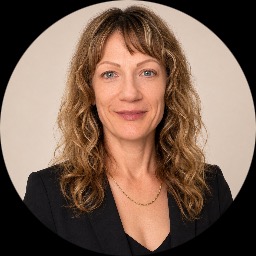
About Mary
Mary Moulton, LPC, focuses on practical, evidence-based approaches to help people move past trauma and emotional barriers. She listens for the issues that matter most and helps clients find steps to feel better. Her style is compassionate and trauma-informed, with attention to cultural sensitivity and affirmation.
She has 17 years of experience working with addiction and related concerns. That background informs her work with codependency, attachment issues, and communication problems. She also supports people dealing with grief, depression, anxiety, and life transitions.
Mary often helps people address complex, overlapping issues such as chronic illness, caregiver stress, blended family tensions, and co-morbidity. She works with concerns linked to abandonment, commitment worries, and dependent or antisocial personality features. Her approach is adaptable to topics like BDSM, kink, and alternative sex culture when those issues are relevant.
In sessions she aims for clear goals and realistic steps. Conversations tend to center on understanding patterns, developing new coping habits, and improving day-to-day functioning. She balances practical strategies with attention to how past experiences shape present behavior.
Mary practices in Oklahoma and offers therapy in English. She frames therapy as a collaborative process and encourages people to share what matters most to them early on so care can be tailored to their needs and life circumstances.
How evidence-based approaches translate to online therapy
Mary uses evidence-based therapeutic techniques that focus on how patterns form and how to change them. One common approach helps people track triggers and develop coping skills to reduce cravings, manage intense emotions, and handle relationship stresses related to addiction and codependency. Another approach looks at attachment and relational patterns, helping people learn clearer communication and healthier boundaries in everyday life.Choosing the right approach is part of the work together. The therapist will talk with the client about goals, symptoms, and preferences, then suggest techniques to try. Progress is reviewed and the plan is adjusted so methods fit the person's needs and situation.
The biography does not list specific session formats, so confirm online options before booking. Many people find online therapy useful because it can fit into a busy schedule, reduce travel time, and make attending regular sessions easier. It also allows for flexible check-ins that can be shorter or scheduled around work or caregiving demands. Licensed professionals can adapt exercises, worksheets, and skill practice to an online setting to keep therapy practical and goal oriented.
Areas of expertise
Primary focus
Additional focus areas
Experience
17+ years
Credentials
Oklahoma
Languages
English
Frequently asked questions
What concerns does Mary address?
She works with addiction and related issues such as codependency, attachment troubles, communication problems, and mood concerns like anxiety and depression.
What is her therapeutic style?
Mary uses evidence-based therapeutic techniques with a trauma-informed, culturally responsive, and affirming approach that emphasizes collaboration and practical steps.
How much experience does she have?
Mary brings 17 years of clinical experience supporting people through addiction, grief, life transitions, and complex overlapping concerns.
What credentials and location are listed?
She holds the LPC credential and practices in Oklahoma.
Which languages are offered and can international clients join?
Sessions are offered in English and international clients are not currently accepted.
What session formats are available?
The biography does not specify session formats; confirm current session options before booking to know which formats are offered.
How are fees handled?
Cost varies with location and therapist availability, and sessions use a subscription that can be canceled at any time.
How do I begin working with her?
Select the Start Therapy button, complete a short matching questionnaire, and schedule according to therapist availability.
Profile details come from information the therapist supplied to BetterHelp. Credential and registration rules differ between the United States, the United Kingdom and Australia.