- nonjudgmental support
- practical tools
- life transitions
About Mary
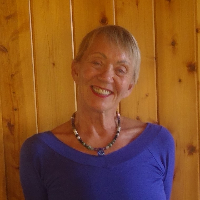
Mary Schoen is a licensed independent clinical social worker (LICSW) practicing in Minnesota. She brings 17 years of experience to her work and focuses on helping people move past patterns that hold them back. Her style is nonjudgmental and accepting, and she aims to meet people where they are.
She listens first, then follows the needs a person brings to a session. That might mean using cognitive behavioral tools to change unhelpful thoughts, attachment-based ideas to repair relationships, or client-centered conversations that let people lead the pace. Mary emphasizes practical steps that can be used between appointments.
Mary has worked with a wide range of concerns, including anxiety, depression, trauma and abuse, grief, addictions, codependency, and issues around intimacy and relationships. She also supports people facing life transitions, caregiver stress, and career strain. Her approach adapts to each person rather than forcing a single method.
Teletherapy is part of her practice and she has seen it work well for many people. She aims to find session rhythms that fit daily life and help clients make steady progress. Mary encourages questions and open conversation about goals from the first meeting.
She asks people to consider the Start Therapy button to complete a short matching questionnaire and schedule a time to meet. If a match feels right, she focuses on clear steps forward; if not, she helps people find another therapist who may be a better fit.
How Mary uses therapy approaches online
Mary commonly draws on Acceptance and Commitment Therapy and Attachment-Based Therapy in her work. Acceptance and Commitment Therapy (ACT) helps people notice unhelpful thoughts and choose actions that match their values, which can be useful for anxiety, avoidance, and motivation struggles. Attachment-Based Therapy focuses on how early relationship patterns affect current connections and can help when trust, closeness, or emotional safety feel difficult.Finding the right approach is part of the early work. Mary collaborates with each person to identify goals, then tries methods that best fit those goals and preferences. She adapts tools as the relationship develops so sessions stay practical and focused on progress.
Teletherapy is a way to fit sessions into busy lives, whether that means shorter check-ins during a lunch break or longer weekly meetings. The therapist has experience using virtual sessions and recommends confirming current session options before booking. Online care can reduce travel time, make scheduling easier, and help people keep momentum between appointments while working toward concrete changes.
Areas of expertise
Also works with
Additional focus areas
Therapeutic approaches
Experience
17+ years
Credentials
Minnesota
Languages
English
Frequently asked questions
What concerns does Mary focus on?
She works with a wide range of issues including anxiety, depression, trauma and abuse, addictions, codependency, grief, and intimacy-related problems.
What is her general therapy style?
Mary takes a nonjudgmental, accepting approach and focuses on meeting people where they are to address their immediate needs.
How much experience does she bring?
She has 17 years of professional experience as a licensed clinician in Minnesota.
What credentials does she hold and where is she based?
She is a LICSW - Licensed Independent Clinical Social Worker - and her practice is based in Minnesota.
Which languages are supported for sessions?
Sessions are offered in English.
Does she work with international clients?
International clients are not currently accepted.
How is payment handled and what does it cost?
Cost varies with location and therapist availability; sessions use a subscription that can be canceled at any time.
How do I begin working with her?
Use the Start Therapy button, complete a short matching questionnaire, and then schedule sessions according to the therapist's availability.
Profile details come from information the therapist supplied to BetterHelp. Credential and registration rules differ between the United States, the United Kingdom and Australia.