- Acceptance-based methods
- Practical behavior work
- Family and relationship help
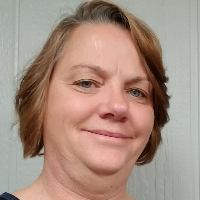
About Mary
Mary Geiger is a licensed counselor and marriage and family therapist practicing in Montana. She brings 14 years of experience helping people manage depression, anxiety, substance use concerns, and trauma. Her work includes support around relationships, parenting, grief, and codependency issues.
Mary keeps sessions straightforward and practical. She starts by listening to what matters most and asks what has helped before. Together with each person she builds a simple plan that fits daily life. Her style is warm and direct, and she aims for clear steps rather than long lists of theory.
In clinical work she draws on approaches like cognitive behavioral methods, acceptance-based strategies, and skills from dialectical behavior therapy. She also uses motivational interviewing and solution-focused techniques when those fit the situation. These tools are selected to match the concerns named by the person in front of her.
Mary’s background includes work in a corrections setting where she provided substance abuse and mental health treatment to people with felony DUI convictions. She also maintains a private practice serving adults, adolescents, children, couples, and families in rural Montana. That mix of settings informs her practical approach to care.
Outside of work she enjoys hiking, traveling, and family time with her grandchildren. Those interests shape her down-to-earth way of talking about goals and next steps in therapy.
How therapeutic approaches guide online care
Acceptance and Commitment Therapy helps people notice painful thoughts and feelings without getting stuck in them, then choose actions that match what matters most. It tends to help with anxiety, depression, and life transitions. Cognitive Behavioral Therapy focuses on practical changes in thoughts and behaviors; it breaks problems into manageable steps and is often used for anxiety, mood issues, and sleep or eating concerns.Finding the right approach is part of the work. The therapist will talk with the person about goals, preferences, and daily routines, then suggest methods that match those needs. That choice happens together so the plan fits what the person wants to change and how they prefer to work.
Practical benefits of online work include fitting sessions into busy schedules, avoiding travel time, and making it easier to keep regular appointments during a workday or family evening. Because session formats were not specified in the profile, confirm current options before booking so you know how sessions are held. Many people find that being able to schedule shorter check-ins or avoid commuting helps them stay consistent with care.
Areas of expertise
Primary focus
Also works with
Additional focus areas
Therapeutic approaches
Experience
14+ years
Credentials
Montana, Montana
Languages
English
Frequently asked questions
What concerns does she address?
She helps people with stress, anxiety, depression, substance use, trauma, relationship and intimacy issues, and codependency among other concerns.
What is her general therapy style?
Her style is empathetic and straightforward. She listens first, then builds a simple, practical plan together with the person.
How much experience does she have?
She has 14 years of clinical experience working in both private practice and a corrections setting providing substance abuse and mental health treatment.
What credentials and location apply to her practice?
She holds MT LCPC and MT LMFT credentials and practices in Montana.
Which languages are supported for sessions?
Sessions are offered in English.
Can people from other countries work with her?
She does not work with international clients at this time.
How are costs and billing handled?
Session cost varies with location and therapist availability and uses a subscription model that can be canceled at any time.
How do I begin working with her?
Click the Start Therapy button, complete a short matching questionnaire, and then schedule sessions based on the therapist's availability.
Profile details come from information the therapist supplied to BetterHelp. Credential and registration rules differ between the United States, the United Kingdom and Australia.