- Warm interactive style
- Practical skill building
- Focus on attachment
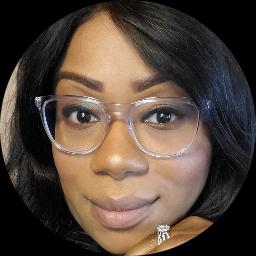
About Marla
Marla Majors is a Licensed Mental Health Counselor (LMHC) based in Washington. She helps people facing stress, anxiety, depression, relationship and family struggles, and challenges related to addictions. She also supports those working through codependency, attachment concerns, abandonment, and difficulties around communication and commitment.
Her style is warm, interactive, and often lighthearted. Sessions mix straightforward talk with moments of humor and reflection. She approaches meetings as collaborative conversations where the client is seen as the expert on their life.
Marla commonly uses Cognitive Behavioral Therapy, Dialectical Behavior Therapy, and supportive talk therapy during sessions. She also draws on Acceptance and Commitment Therapy and Attachment-Based ideas when they fit a client's goals. The focus is practical - identifying small changes that make daily life feel more manageable.
Clients can expect an encouraging presence and a focus on skills they can use between sessions. Marla aims to help people notice patterns, try new ways of relating, and build steps toward clearer boundaries and healthier habits. She frames progress as steady and personal rather than quick fixes.
Taking a first step can feel hard, and Marla emphasizes collaboration. She offers guidance while helping clients set realistic goals, name their strengths, and practice new behaviors in everyday situations.
How her approaches translate to online therapy
Marla uses Cognitive Behavioral Therapy to help people notice unhelpful thoughts and test new behaviors. CBT typically involves setting clear goals, trying out new skills between sessions, and tracking what works. Attachment-Based Therapy focuses on patterns in relationships and how early bonds influence current reactions; it helps people understand emotional needs and build clearer boundaries.Finding the right approach is part of the work together. She will listen to a person's goals and preferences and suggest which methods to try. The decision is collaborative and can change over time as progress is made.
Confirm current session options before booking, since specific formats are not listed here. Online sessions can make it easier to fit therapy into a busy schedule, reduce travel time, and allow shorter check-ins when needed. They also let people bring real-life examples from their daily routines into sessions for practical problem solving.
Areas of expertise
Primary focus
Additional focus areas
Therapeutic approaches
Experience
11+ years
Credentials
Washington
Languages
English
Frequently asked questions
What concerns does Marla help with?
She supports people with stress, anxiety, depression, relationship and family issues, and struggles with addictions. Additional areas include codependency, attachment and abandonment concerns, body image, and domestic violence related issues.
How would you describe her therapeutic approach?
Her style is warm, interactive, and straightforward, mixing talk therapy with skill-based methods. She often uses Cognitive Behavioral Therapy and Dialectical Behavior Therapy alongside a client-centered stance.
What is her professional background?
She has 11 years of professional experience working in mental health settings and with people facing stress, addictions, and relationship challenges.
Where is she licensed and located?
Marla holds a Washington LMHC credential and practices in the state of Washington.
Which languages are supported during sessions?
Sessions are offered in English.
Can people outside the US work with her?
International clients are not currently accepted.
How are sessions paid for and what does cost look like?
Cost varies with location and therapist availability; sessions use a subscription model that can be canceled at any time.
How do I begin working with her?
Click the Start Therapy button, complete a short matching questionnaire, and schedule according to therapist availability.
Profile details come from information the therapist supplied to BetterHelp. Credential and registration rules differ between the United States, the United Kingdom and Australia.