- Practical coping skills
- Support for codependency
- Experience with trauma
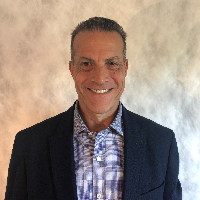
About Mark
Mark Schiffman is a licensed clinical social worker with 25 years of experience helping people reduce overwhelm and move toward clearer goals. He focuses on easing stress, anxiety, depression, and relationship wounds, and he also addresses codependency and addiction concerns. His work emphasizes practical steps so people can feel less stuck and more capable day to day.
He creates short-term strategies and longer-term plans based on each person's situation. Sessions blend problem-solving tools with reflective conversation. For younger clients he uses age-appropriate techniques such as play and behavior-focused activities to help them express feelings and learn skills.
Mark uses methods drawn from cognitive behavioral therapy and dialectical behavior therapy to teach coping skills and change unhelpful patterns. He also uses Imago relationship ideas and mindfulness practices to support emotion regulation and clearer communication. Those approaches are combined to match what a person needs in the moment.
He trained at New York University where he earned a Master's degree and later completed a clinical career that includes individual, family, and group work. The license listed is LCSW in New York, and he has worked across a wide range of concerns including trauma, grief, caregiving stress, and issues tied to aging.
People who choose him can expect direct listening, practical skill building, and guidance on next steps. To begin, readers should use the site's Start Therapy button and complete the short matching questionnaire before scheduling.
How therapy methods translate to online care
Mark frequently draws on cognitive behavioral therapy and dialectical behavior therapy to help people change unhelpful thoughts and build coping skills. CBT focuses on identifying patterns of thinking and testing new behaviors to reduce symptoms such as anxiety or depression. DBT teaches emotion regulation, distress tolerance, and interpersonal effectiveness skills that are useful for intense emotions and relationship challenges.Finding the right approach is a collaborative process. The therapist will work with each person to try methods that fit their goals and preferences, and adjust the plan as progress is made. Clients and the therapist decide together which techniques to emphasize during ongoing work.
The original profile does not list specific online session formats, so confirm current options before booking. Online work can make it easier to fit sessions into a busy week, avoid travel time, and practice skills in familiar routines. Phone or video sessions can reduce time away from work or caregiving and allow for brief check-ins when a shorter contact is helpful.
Areas of expertise
Primary focus
Also works with
Additional focus areas
Therapeutic approaches
Experience
25+ years
Credentials
New York
Languages
English
Frequently asked questions
What kinds of issues does he address?
He works with stress, anxiety, depression, relationship and intimacy matters, addictions, codependency, trauma, grief, and many related concerns like sleep or eating issues.
What is his general approach in sessions?
Sessions combine practical skill teaching with reflective conversation. Mark uses tools to address thinking and behavior, emotion regulation, and communication skills.
How long has he practiced clinically?
He brings 25 years of clinical experience to his practice and has worked in individual, family, and group settings.
What credentials and location are listed for this therapist?
The credential shown is LCSW and the listed location is New York.
In what language are sessions offered?
Sessions are offered in English and he accepts international clients.
Which session formats are available?
The original profile does not specify session formats here, so confirm current session options before booking.
How is cost handled for sessions?
Cost varies with location and therapist availability and sessions use a subscription that can be canceled at any time.
What are the first steps to begin working together?
Use the Start Therapy button, complete the short matching questionnaire, and then schedule according to the therapist's availability.
Profile details come from information the therapist supplied to BetterHelp. Credential and registration rules differ between the United States, the United Kingdom and Australia.