- Conversational style
- Practical tools
- Homework driven
About Maria
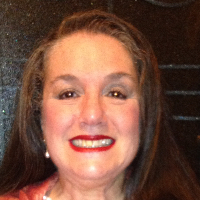
Maria Concepcion is a Licensed Mental Health Counselor (LMHC) with 13 years of clinical experience. She aims to make sessions feel conversational and relaxed, like talking with a friend, while offering clear guidance toward mental health goals.
She focuses on stress, anxiety, depression, and relationship or intimacy concerns that show up at home, work, or socially. She also helps people dealing with substance use in others where codependency is an issue. Maria uses practical tools to build coping skills and improve daily functioning.
Her primary approach draws on Cognitive Behavioral Therapy (CBT) to help people notice and change thought patterns that drive feelings and actions. Sessions involve direct collaboration, homework tasks, and messaging between meetings to track progress and practice new skills.
Maria also uses elements of Acceptance and Commitment Therapy and Attachment-Based ideas when they fit the situation. She describes her style as compassionate, dedicated, and straightforward, and she will work with clients to shape a plan that meets their needs.
She can incorporate spiritual reflection when that is meaningful to a client, using the client's own understanding of God as a resource for growth. Sessions are offered in English and Spanish, and she practices in Florida.
How her approaches shape online work
Maria uses Cognitive Behavioral Therapy to help people identify and change unhelpful thoughts and behaviors. CBT often includes clear exercises and between-session practice to reduce symptoms like anxiety or depression.She also draws on Acceptance and Commitment Therapy (ACT), which focuses on accepting difficult feelings while taking action toward personal values. ACT can help when someone feels stuck or uncertain about next steps.
Attachment-Based ideas inform her work on relationship and intimacy issues by looking at how early connections affect current patterns. This can be useful for people who want to improve closeness or reduce repeated conflicts.
Finding the right approach is a shared process. The therapist will collaborate with each person to pick methods that match their goals and preferences, and will adjust the plan over time based on what helps.
Confirm the current session options before booking, as formats were not specified in the biography. Online therapy can make it easier to fit appointments into a busy life, allow shorter check-ins when needed, and remove travel time. It also supports steady practice of skills between meetings through messaging and assigned exercises, which Maria uses as part of her approach.
Areas of expertise
Primary focus
Also works with
Additional focus areas
Therapeutic approaches
Experience
13+ years
Credentials
Florida
Languages
English, Spanish
Frequently asked questions
What kinds of problems does she address?
She works with stress, anxiety, depression, relationship and intimacy issues, grief over life changes, addictions, codependency, trauma and related concerns listed in her specialties.
What is her therapy style like?
Her sessions are conversational and direct. Expect practical tools, messaging between sessions, and homework to apply skills in daily life.
How much clinical experience does she have?
She has practiced as a therapist for 13 years, bringing long-term experience to the issues she treats.
What are her credentials and where does she practice?
She is a Florida Licensed Mental Health Counselor (FL LMHC) and practices in Florida.
Which languages are available for sessions?
Sessions are offered in English and Spanish.
Can international clients work with her?
International clients are not currently accepted.
How much do sessions cost?
Cost varies by location and therapist availability; sessions use a subscription that can be canceled at any time.
What are the steps to begin working with her?
Use the Start Therapy button, complete a short matching questionnaire, and schedule according to therapist availability.
Profile details come from information the therapist supplied to BetterHelp. Credential and registration rules differ between the United States, the United Kingdom and Australia.