- Client-centered care
- Trauma-informed approaches
- English and Spanish
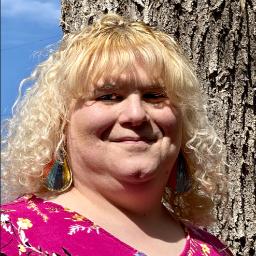
About Liz
Liz Smith is a Licensed Mental Health Counselor (LMHC) and a Licensed Clinical Professional Counselor (LCPC) who focuses on helping people manage stress, anxiety, addiction, grief, and codependency. She aims for a judgment-free space where clients can talk about what matters to them and make their own decisions. Liz also works with people facing trauma, LGBT issues, relationship and intimacy struggles, eating and sleeping concerns, and challenges like ADHD and bipolar depression.
Her style centers on listening first and tailoring the work to each person. She uses client-centered principles to stay focused on the person's goals. At times she draws on cognitive behavioral tools to help shift thinking and behavioral patterns. She also integrates dialectical behavior ideas for managing strong emotions and improving coping skills.
Liz has about 10 years of clinical experience working with substance use, trauma, and related concerns. Her background includes a Master of Science in Clinical and Counseling Psychology from Capella University and the licensure titles LMHC and LCPC. She speaks English and Spanish, which she uses in sessions when needed.
People who come to her can expect practical strategies mixed with reflective conversation. Sessions aim to identify clear next steps, build coping skills, and address patterns that keep coming up. Liz encourages clients to move at their own pace while working toward meaningful change.
To begin, clients complete a short matching questionnaire and then schedule sessions based on the therapist's availability. The process is designed to match needs and preferences before scheduling begins.
How therapeutic approaches work in online sessions
Client-centered therapy focuses on the person's experience and priorities. In practice this means the therapist listens closely, reflects what she hears, and follows the client's lead to set goals and next steps. Cognitive Behavioral Therapy (CBT) looks at how thoughts, feelings, and actions connect and offers exercises to test and change unhelpful patterns, which can help with anxiety, depression, and behavior change. Dialectical Behavior Therapy (DBT) provides concrete skills for managing intense emotions and improving relationships, such as distress tolerance and mindfulness.Finding the right approach is part of the work. The therapist will collaborate with the client to decide which methods fit best for their needs and goals. That process may involve trying an approach for a few sessions and adjusting based on what helps most.
Confirm which session formats are currently offered before booking, as the profile does not list formats explicitly. Online work can make it easier to fit therapy into a busy life - for example, it can reduce travel time, allow sessions during a break at work, or make shorter check-ins possible when schedules are tight. Therapists use the clinical approaches above to adapt exercises and skills for remote sessions so practical progress can continue between meetings.
Areas of expertise
Primary focus
Also works with
Additional focus areas
Therapeutic approaches
Experience
10+ years
Credentials
Montana, Utah, Florida
Languages
English, Spanish
Frequently asked questions
What concerns does this therapist address?
She supports people facing stress, anxiety, addiction, trauma, LGBT concerns, relationship and intimacy issues, grief, eating and sleeping problems, ADHD, bipolar and depression, and codependency among other areas.
What is her therapeutic style like?
Her approach is client-centered and nonjudgmental, with a focus on listening first. She blends practical tools like cognitive behavioral techniques with emotion-regulation strategies.
How much clinical experience does she have?
She has about 10 years of experience working in clinical settings, including focus on substance use and trauma-related concerns.
What credentials and location are listed?
She holds LMHC and LCPC credentials and practices in Florida. Her degree is a Master of Science in Clinical and Counseling Psychology from Capella University.
Which languages are available for sessions?
Sessions are offered in English and Spanish.
Are international clients accepted?
International clients are not currently accepted.
How is cost handled for sessions?
Cost varies with location and therapist availability; sessions use a subscription that can be canceled at any time.
How do I get started with this therapist?
Choose the Start Therapy button, complete a short matching questionnaire, and then schedule sessions according to the therapist's availability.
Profile details come from information the therapist supplied to BetterHelp. Credential and registration rules differ between the United States, the United Kingdom and Australia.