- Warm collaborative care
- Focus on codependency
- Trauma informed approaches
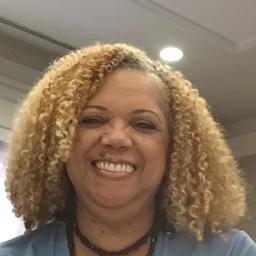
About Linda
Linda Young is a Licensed Clinical Social Worker (LCSW-C) based in Maryland with 25 years of experience. She offers a warm, welcoming manner and focuses on building a practical relationship that helps people address stress, anxiety, addictions, trauma, grief, depression, and life changes. Linda emphasizes clear communication and education about the issues people bring to therapy.
She uses a blend of psychodynamic therapy, cognitive behavioral therapy (CBT), and trauma-focused work to guide sessions. Those methods help her address patterns from early relationships, current thoughts and behaviors, and the effects of traumatic events. She works with adults who are coping with substance use concerns, mood symptoms, panic, social anxiety, grief, and medical adjustments.
Linda began her career in Boston and provided mental health care there for many years before moving to Maryland in 2013. Her background includes psychosocial assessments and work as a mobile crises clinician, assessing safety in homes, schools, and residential settings. More recently she focused on therapy within substance abuse treatment programs, supporting adults with combined mental health and addiction concerns.
She earned a Master of Social Work from Simmons College Graduate School of Social Work and a Bachelor of Arts in African American Studies and Graphic Design from Simmons College. Linda emphasizes collaboration, helping people learn about their challenges and develop concrete strategies that build on personal strengths.
How Linda’s Approaches Work Online
Linda uses cognitive behavioral therapy and trauma-focused therapy to guide online work. CBT focuses on spotting unhelpful thoughts and testing new behaviors to reduce anxiety, depression, and panic. Trauma-focused therapy helps process distressing events and reduce their ongoing impact on daily life.Choosing the best approach is part of the process. The therapist will work with each person to identify goals and preferences, then try methods that fit those needs. That collaborative decision is revisited as progress is made and needs change.
Practical benefits of online therapy include easier scheduling and fewer disruptions to daily routines. Ask about current session options before booking so you know what formats are available. Online sessions can make it simpler to fit therapy into a workday, reduce travel time, and allow shorter check-ins when needed. Licensed professionals can adapt CBT and trauma-focused techniques for effective work in virtual settings, focusing on skills practice, safety planning, and processing difficult memories without promising specific outcomes.
Areas of expertise
Also works with
Additional focus areas
Therapeutic approaches
Experience
25+ years
Credentials
Maryland
Languages
English
Frequently asked questions
What kinds of concerns does Linda address?
She helps people manage stress, anxiety, depression, grief, trauma, addictions, relationship and family issues, anger, self-esteem problems, career stress, bipolar symptoms, and coping with life changes.
What is her general approach to therapy?
Linda blends cognitive behavioral techniques, psychodynamic exploration, and trauma-focused work to identify patterns, shift unhelpful thoughts and behaviors, and process difficult experiences.
How much experience does she have?
She has 25 years of clinical experience, including many years providing mental health services in Boston and ongoing work in Maryland since 2013.
What credentials and region apply to her practice?
She holds LCSW-C (Maryland) and practices in Maryland.
In which languages are sessions offered?
Sessions are offered in English.
Can people outside the country work with her?
She does not accept international clients at this time.
How are fees and payment handled?
Cost varies with location and therapist availability; sessions use a subscription that can be canceled at any time.
How do I begin a therapy match?
Use the Start Therapy button, complete the short matching questionnaire, and schedule according to the therapist's availability.
Profile details come from information the therapist supplied to BetterHelp. Credential and registration rules differ between the United States, the United Kingdom and Australia.