- Client-centered care
- CBT tools
- Mindful strategies
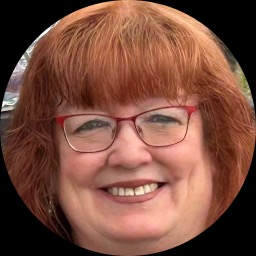
About Laurie
Laurie Kaufmann is a licensed clinical social worker who helps people facing stress, anxiety, depression, grief, parenting struggles, and low self-esteem. She works with people who feel stuck, unmotivated, or unsure how to move forward. Laurie speaks plainly and focuses on practical steps people can use right away.
Laurie treats codependency, communication problems, feelings of emptiness, guilt and shame, and isolation in addition to mood concerns. She believes clients know their own stories and brings a respectful, listening stance to each session. Conversations are meant to highlight strengths and build small, doable changes.
Her approach draws on client-centered work that prioritizes the person in the room. She also uses tools from cognitive behavioral therapy to notice and shift unhelpful thinking patterns. Mindfulness-based practices and solution-focused strategies show up when they suit a client’s goals.
Laurie has 15 years of professional experience and holds an LCSW, which means she is licensed to practice clinical social work in North Carolina. Her style is steady and encouraging, aimed at helping people gain clarity and momentum.
Beginning therapy with Laurie usually starts with a short intake and a conversation about goals. She supports practical planning around parenting, managing mood, improving self-worth, and finding more balance in daily life.
How Laurie uses practical approaches in online therapy
Client-centered work puts the person first and focuses on listening, understanding, and building on strengths. This approach is helpful for people who want a therapist who listens and follows their pace.Cognitive behavioral therapy (CBT) looks at patterns of thinking and behavior and offers tools to change them. CBT is useful for managing anxiety, low mood, and unhelpful self-talk that can feed codependent patterns.
Finding the right approach is part of the process. Laurie will work together with each person to decide which methods fit their goals and preferences. That collaborative planning helps set clear, measurable steps for change.
Confirm current session options before booking to learn how sessions are scheduled. Online therapy can make sessions easier to fit into a busy week and can reduce travel time. It also allows for shorter check-ins when needed and flexible timing that can match work or family routines.
Areas of expertise
Primary focus
Additional focus areas
Therapeutic approaches
Experience
15+ years
Credentials
North Carolina
Languages
English
Frequently asked questions
What concerns does Laurie commonly address?
She helps people with stress, anxiety, depression, grief, parenting challenges, and low self-esteem. Additional focus areas include codependency, communication problems, loneliness, and questions about life purpose.
What is her general therapy style?
Laurie uses a straightforward, listening-first approach that highlights client strengths. Sessions focus on practical steps and clear goals rather than long theory-heavy talks.
How much experience does she have?
She brings 15 years of professional experience working in clinical social work settings. That background informs a calm, goal-oriented practice style.
What credentials and location should I know about?
Laurie holds an LCSW, which stands for Licensed Clinical Social Worker, and she practices in North Carolina.
Which languages are supported for sessions?
Sessions are offered in English.
Can international clients work with her?
International clients are not currently accepted.
How are sessions paid for and what does it cost?
Costs vary with location and therapist availability, and sessions use a subscription that can be canceled at any time. Exact pricing is provided during sign-up.
What are the first steps to begin therapy?
Click the Start Therapy button, complete a short matching questionnaire, and then schedule sessions according to the therapist's availability.
Profile details come from information the therapist supplied to BetterHelp. Credential and registration rules differ between the United States, the United Kingdom and Australia.