- Client-centered care
- Skill-based work
- Trauma-informed approach
About Latasha
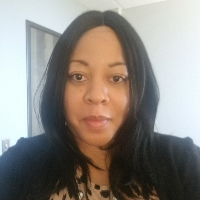
Latasha Shannon is a licensed social worker with 19 years of clinical experience. She practices in Michigan and focuses on helping people move through hard moments with steadiness and practical steps. Her background includes work with depression, anxiety, trauma, mood disorders, and addiction, and she aims to make therapy straightforward and useful.
Clients meet a therapist who listens first and then helps choose what to try next. Sessions are built around clear goals and small, doable changes. Latasha uses straightforward tools to reduce symptoms, manage stress, and improve everyday functioning.
Her style blends client-centered care with structured methods so people can both feel heard and learn skills. That means time is spent talking through what matters now and practicing ways to respond differently to difficult feelings. She also brings mindfulness and emotion-focused ideas into sessions to strengthen self-awareness and relationships.
Latasha has worked across many areas that often overlap, like grief, family concerns, intimacy-related issues, compassion fatigue, and codependency. She also supports people dealing with anger, low self-esteem, career strain, and major life transitions. Her approach is practical and paced to each person’s needs.
When someone reaches out, the process begins with a simple conversation about goals and options. From there she and the client pick methods and steps that fit the person’s life. The focus is on steady progress and clearer coping over time.
How client-centered and skills-based work translates online
Latasha blends client-centered listening with structured methods like cognitive behavioral therapy and dialectical behavior therapy. CBT focuses on identifying unhelpful thoughts and testing new behaviors to reduce anxiety and depression. DBT teaches emotion regulation, distress tolerance, and interpersonal skills that help with intense feelings and relationship patterns.Finding the right approach is part of the process. She will work together with each person to decide which methods match their goals, needs, and preferences. That collaborative planning can include trying a few techniques to see what helps most.
Session formats are not listed in the biography, so please confirm current options before booking. Online work can make it easier to fit therapy into a busy week, reduce travel time, and allow shorter check-ins when schedules are tight. It can also let people practice skills in their normal routines and bring examples from day-to-day life into sessions for clearer feedback.
Areas of expertise
Primary focus
Also works with
Additional focus areas
Therapeutic approaches
Experience
19+ years
Credentials
Michigan, Arizona, Kentucky
Languages
English
Frequently asked questions
What concerns does this therapist address?
She works with stress, anxiety, depression, trauma, addictions, and mood disorders among other concerns such as grief, relationship and intimacy-related issues, anger, self-esteem, and codependency.
What is her overall therapy style?
Her style mixes listening with practical skill-building. Sessions combine client-centered listening with structured techniques like CBT and DBT to help people make changes.
How much clinical experience does she have?
She has 19 years of experience working as a licensed social worker in clinical settings and private practice environments.
What credentials and location are listed?
She holds the LMSW and LCSW credentials and practices in Michigan.
Which languages are sessions offered in?
Sessions are offered in English.
Are international clients supported?
International clients are not currently accepted.
How does pricing and payment work?
Cost varies with location and therapist availability; sessions use a subscription that can be canceled at any time.
What is the first step to begin therapy?
Start by selecting the Start Therapy button, complete a short matching questionnaire, and schedule according to the therapist's availability.
Profile details come from information the therapist supplied to BetterHelp. Credential and registration rules differ between the United States, the United Kingdom and Australia.