- Empathic listener
- Practical coping skills
- Relationship focus
About Kim
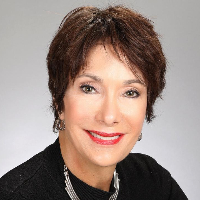
Kim Scheft is a Florida-based licensed mental health counselor with 29 years of experience. She creates a calm, listening space for people who are feeling overwhelmed by stress, anxiety, relationship strain, grief, or life changes. Kim emphasizes respect and gentle support as people take the first steps toward change.
She uses practical methods that focus on what helps in everyday life. Sessions often include talking things through, learning coping skills for stress, and practicing new ways to respond to difficult feelings. Kim draws on approaches such as cognitive behavioral techniques, emotion-focused work, and skills from dialectical behavior therapy to address mood, anxiety, and relationship concerns.
Her background includes long-term clinical practice in Florida and a commitment to meeting people where they are. She also incorporates elements of the Gottman Method for relationship work and offers hypnotherapy when appropriate. Kim describes counseling as a collaborative process and aims to tailor each session to a person’s goals and pace.
Kim commonly helps people dealing with family of origin issues, codependency, control and dependence patterns, and the fallout from separation or infidelity. She also supports those coping with bipolar mood concerns and persistent feelings of emptiness or isolation. Her style is steady, practical, and focused on small changes that add up.
To begin, she asks people to identify a clear goal and then works alongside them to build skills, shift patterns, and improve day-to-day functioning.
How therapeutic approaches translate to online work
Client-Centered Therapy focuses on listening deeply and following a person's lead. Online sessions using this approach let people set the pace, share what matters most, and build trust through steady, empathic conversation.Cognitive Behavioral Therapy (CBT) helps people identify unhelpful thoughts and try new behaviors. In online sessions CBT can involve short skill-building exercises, thought records, and practical homework between meetings to address anxiety, depression, and stress.
Emotionally-Focused Therapy (EFT) concentrates on understanding and shifting strong feelings in relationships. When used remotely, EFT supports people in naming emotions, practicing new emotional responses, and improving connection with partners or close others.
Finding the right approach is part of the work. The therapist will collaborate with each person to choose methods that match their needs, goals, and comfort. That may mean mixing listening-focused care with CBT skills or adding relationship tools from the Gottman Method.
Session logistics should be confirmed before booking because formats are not specified here. Online work can make it easier to fit therapy into a busy life - for example it can cut travel time, allow quicker check-ins, or make scheduling around work and childcare simpler. Ask about available session types when you start the matching process so arrangements fit your routine.
Areas of expertise
Primary focus
Also works with
Additional focus areas
Therapeutic approaches
Experience
29+ years
Credentials
Florida
Languages
English
Frequently asked questions
What issues does Kim commonly address in sessions?
Kim works with stress, anxiety, depression, relationship struggles, parenting concerns, grief, trauma and abuse, and intimacy issues. She also focuses on codependency, control issues, family of origin wounds, and mood disorders.
What is Kim's style or therapeutic approach?
Her style is empathic and collaborative. She uses client-centered listening combined with practical techniques from CBT, DBT, EFT, and relationship-focused methods.
How much clinical experience does she have?
She has 29 years of experience as a mental health professional. That experience includes ongoing clinical practice in Florida and work with a range of mood and relationship concerns.
What credentials and location are listed for this therapist?
She is a Licensed Mental Health Counselor (LMHC) practicing in Florida. The profile identifies her credential as FL LMHC.
In which languages are sessions offered?
Sessions are offered in English. International clients are accepted.
What session formats are available?
Please confirm current session options before booking, as formats are not specified here. Contact the service to verify how sessions are held.
How much does therapy with Kim cost?
Cost varies with location and the therapist's availability. Sessions use a subscription that can be canceled at any time.
How do I get started with sessions?
Select the Start Therapy button, complete a short matching questionnaire, and then schedule based on therapist availability.
Profile details come from information the therapist supplied to BetterHelp. Credential and registration rules differ between the United States, the United Kingdom and Australia.