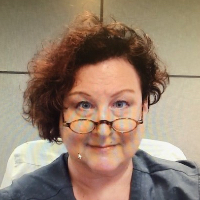
About Kim
Kim Padula is a licensed clinical social worker with a steady, practical approach to helping people manage stress, anxiety, addiction, depression, and codependency. She frames therapy as a place to gain perspective, build coping skills, and find more choice in how to respond to life. Kim has worked in the field for many years and brings a calm, strength-focused attitude to sessions.
Kim emphasizes strengths as well as struggles. Early sessions review life history and relationships that shaped current patterns. Together with the client she sets clear objectives and a plan for treatment. That plan is revisited over time so it fits what is actually helping.
Her work uses established methods that aim to produce practical change. She favors approaches that link thoughts, feelings, and behavior so clients leave with usable tools. She also values mindfulness and attention to deeper meaning when that helps the work.
Kim trained in psychology at Vanderbilt University and earned a master of social work degree to become a clinician. She is licensed as a LCSW in Tennessee and has been practicing since 1995, bringing 26 years of experience to her practice.
Sessions tend to be collaborative and straightforward. Kim describes therapy as a team effort that involves checking progress and adjusting strategies. People meet with her to work through grief, relationship strain, caregiver stress, mood disorders, and life transitions among other concerns.
How Kim blends established methods with online care
Client-Centered Therapy focuses on a respectful, nonjudgmental relationship where the client's goals guide the work. It helps when people need emotional support, clarity, and a steady listener who follows their pace.Cognitive Behavioral Therapy, or CBT, looks at how thoughts influence feelings and actions and teaches concrete skills to change unhelpful patterns. It is often useful for anxiety, depression, panic, and many day-to-day problems.
Finding the right approach is part of the process. Kim works collaboratively to figure out which methods fit a person's needs, goals, and preferences and adjusts the plan over time based on what is working.
Online therapy can make it easier to fit sessions into a busy life, reduce travel time, and allow for shorter check-ins when needed. The original biography does not list specific session formats, so confirm current options before booking. Many people appreciate the flexibility online work can offer while still using interactive tools and homework from CBT or conversational exploration from client-centered work.
Areas of expertise
Primary focus
Also works with
Additional focus areas
Therapeutic approaches
Experience
26+ years
Credentials
Tennessee
Languages
English
Frequently asked questions
What concerns does Kim commonly address?
She helps people with stress, anxiety, depression, addictions, codependency, grief, relationship and family issues, caregiver strain, mood disorders, and life transitions.
What is her therapeutic style like?
Her style is collaborative and strength-focused, emphasizing practical steps and perspective alongside exploring meaning and patterns from life history.
How much experience does she have?
She has been licensed and practicing since 1995 and brings 26 years of clinical experience.
What credential and location details are on record?
She holds the credential LCSW and is licensed in Tennessee.
Which languages are supported for sessions?
Sessions are offered in English and she accepts international clients.
What session formats are available?
The original biography does not list specific session formats; please confirm current session options before booking.
How is cost handled for sessions?
Cost varies with location and therapist availability, and sessions use a subscription that can be canceled at any time.
How do I begin working with her?
Select the Start Therapy button, complete the short matching questionnaire, and schedule according to therapist availability.
Profile details come from information the therapist supplied to BetterHelp. Credential and registration rules differ between the United States, the United Kingdom and Australia.